




Saturday, September 19, 2026
Home Blog Page 89

Camp Bestival 2013

campbestival

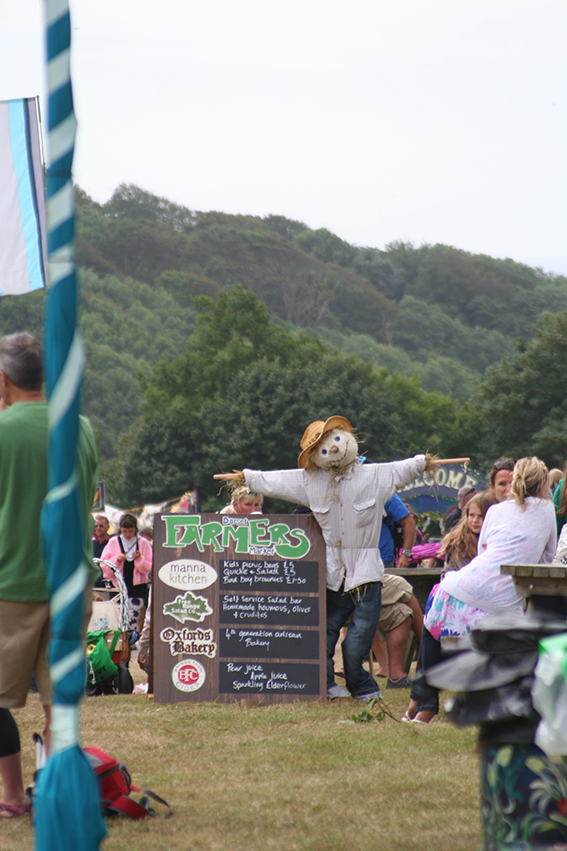
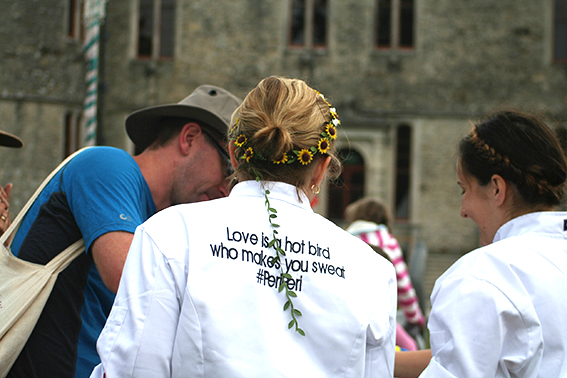
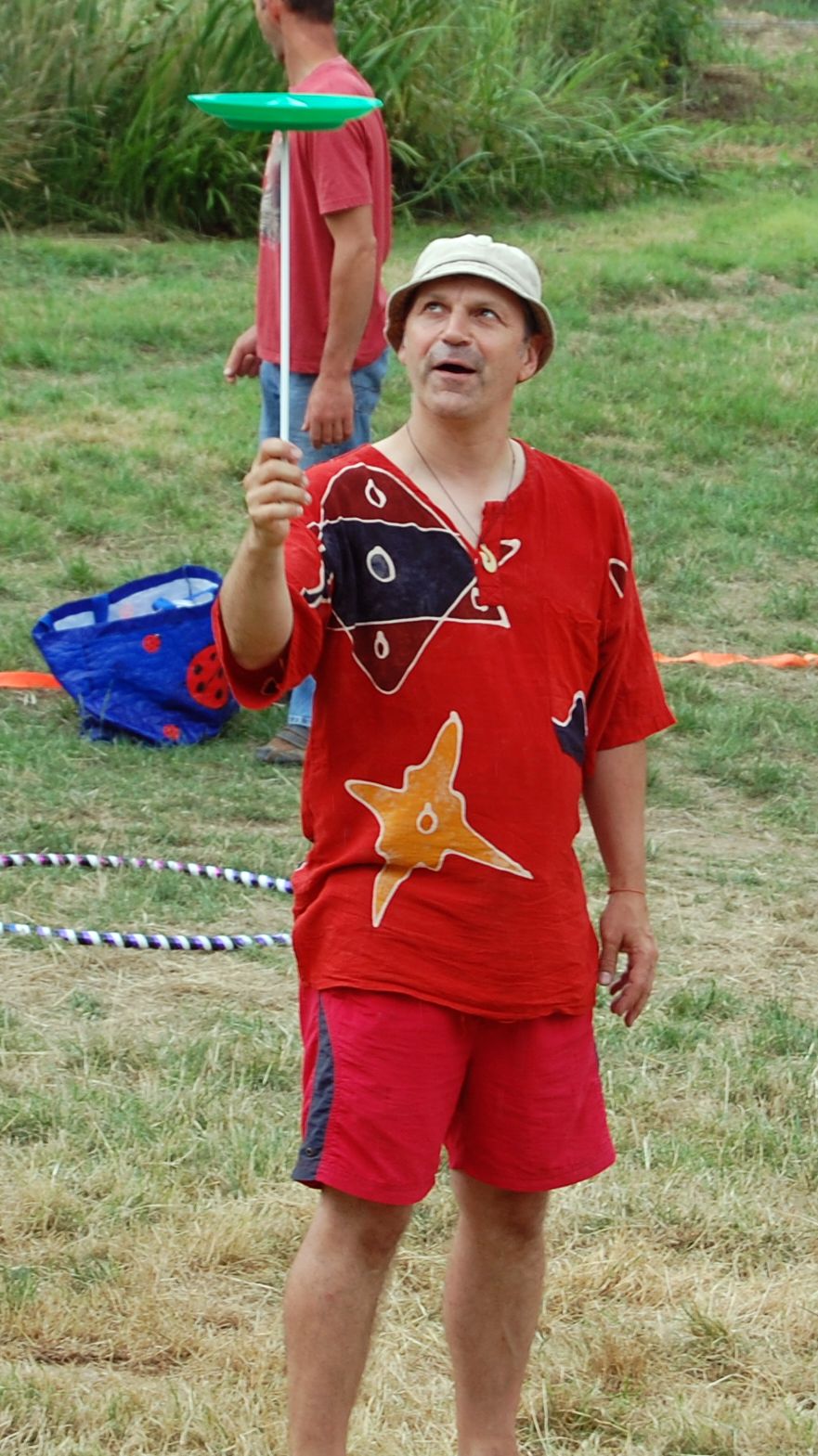
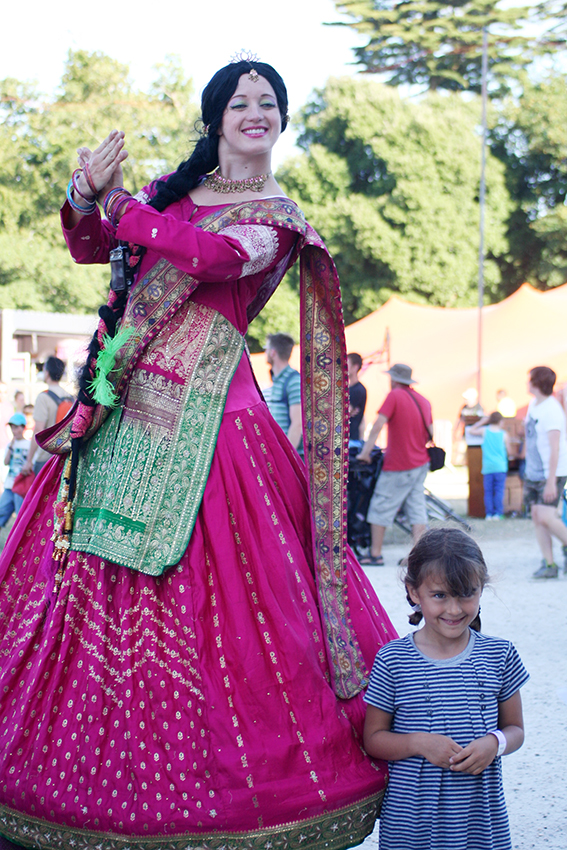
On the one hand Camp Bestival is a land of bubbles, flags, fairy wings and Mr Tumble; a place where the ‘Pimp my Trolly’ garage competes with face painters, glitter sprayers and fancy dress gurus. As well as the traditional fancy dress there are prizes for the best dressed girl’s and best dressed boy’s trolley, not to mention the best ‘random trolley décor’. Giants wander the fields on stilts while Blue Coats entertain with Pom Poms and holiday camp cheek. Children squeal with delight and exhaustion in equal measure and for a good sixteen hours each day the countryside immediately surrounding Lulworth Castle throbs with a sea of human energy – it’s a bit like a single living organism intent on squeezing out every last drop of enjoyment from the last hours before the earth disintegrates.

On the other hand the fields that make up Camp Bestival could also be likened to a giant stage that vibrates to the sounds of dozens of different musical offerings; great swathes of people are seen waving, clapping, singing, screaming and most importantly grinning like chimpanzees at a slightly unhinged, though lavish tea party. Until the sun goes down the focus is very much on family entertainment, but that doesn’t mean it’s all aimed at the under twelve’s. There is no shortage of excuses for parents to embarrass their children in broad daylight by showing them how mummy or daddy used to ‘rock’ when they were young(er). “Hold Mummy’s drink darling and watch this… oops!”

The Camp Bestival line-up may not be likely to attract hard core festival goers but one suspect’s that perhaps that’s the point, and this year there was still a wealth of musical genre to entertain fans of every age. Although the festival atmosphere starts when campers arrive on Thursday morning, the music on the main stage doesn’t crank up until Friday and after a long hike from car parks to camps, anyone not set up by Friday lunchtime was likely to miss out on some of the early entertainment.

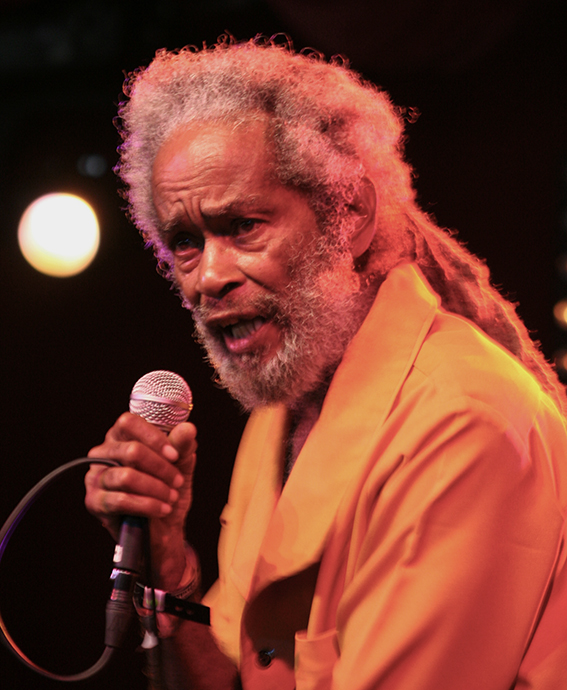
With the Castle Stage, the Big Top, the Bandstand and Pig’s Big Ballroom all offering live music at the same time it is impossible to see everything. Highlights on the Friday included Reggae legend Max Romeo in the Big Top and The Proclaimers on the Castle Stage. Dreadlocks swaying around the stage, Max Romeo, who first tasted fame in 1966, is a seasoned Reggae maestro who put in a mesmerising performance. Flanked by sax and trumpet to his right and backing singers to his left, he prowled the stage punctuating pulsating versions of War in a Babylon and Three Blind Mice with shouts of ‘I love you too’ and ‘Jah Rastafari’.

Cut away to the Castle Stage and the Proclaimers strode out in their traditional dress down jeans and t-shirts. No face paints or fairy wings for Craig and Charlie Reid as they launched into a set that showcased a clutch of favourites which included the obligatoryLetter from America and the crowd pleasing I’m Gonna Be (500 miles). They were followed by I Am Kloot, Billy Bragg and Richard Hawley on the main stage, while John Cooper Clarke happily lost the plot in the Big Top. As Richard Hawley offered a poignant Tonight the Streets are Ours, the ridiculously talented French singer and guitarist, Benoit Viellefon, tuned up his orchestra for a swinging set in Pig’s Big Ballroom.

Anyone could have been forgiven for calling it a night after that, it had been, after all, a solid twelve hours of distraction. But for many the party was just starting and the Bollywood stage competed with the outdoor Disco Shed, Wagamama’s Lounge and the Wedding Party Tent, to dance the night away. Earplugs and exhaustion may have been a fine antidote to a crying baby in the next tent but if that didn’t work there was always tequila for the hard core.

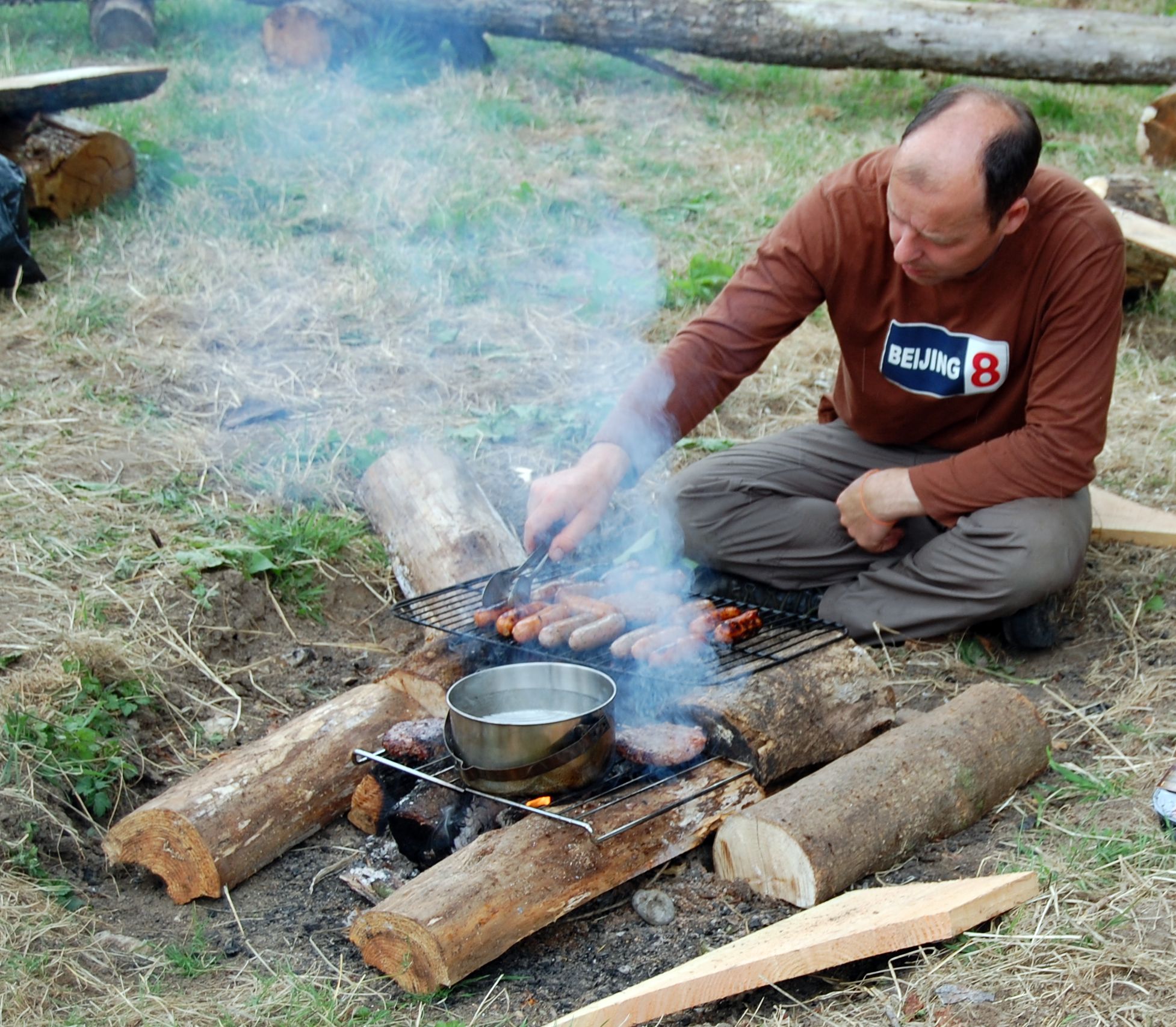
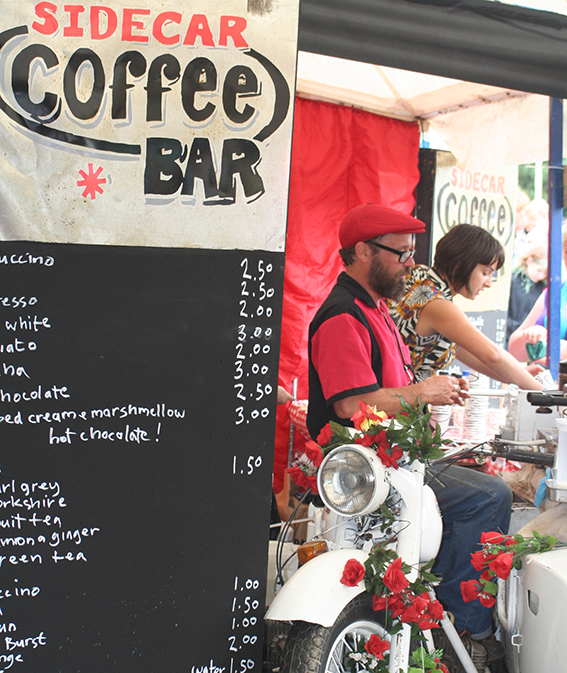
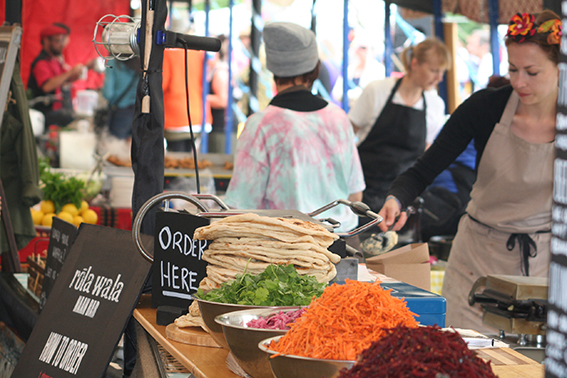
Day Two saw more of the same and the set up provided by an extraordinary array of food in the YBF (Young British Foodies) tent was definitely a highlight, especially for anyone interested in moving beyond bacon baps and hotdogs. The YBF tent is not necessarily for the faint-hearted, but anyone with an interest in food made with imagination was in for a treat. It wasn’t all heat and spice: smoothies, waffles, rotisserie chicken, pizza and strawberries and cream competed with Risotto Balls, Gourmet Chorizo, Wild Game and even Schnitzel. Grant Hawthorne’s African Volcano Peri Peri sauce served over fried eggs and a farmers’ sausage, added a flavour sensation to a breakfast washed down with Chase Distillery Bloody Mary. Perfect matching as the Bloody Mary was also made using African Volcano. Coffee from the Sidecar Coffee vendor also proved a festival favourite.

But breakfast, lunch and dinner timings at Camp Bestival were in constant shift as entertainment pulled people in so many different directions. There was no time for lunch as LA-based rocker Lissie played songs from her album Back to Forever on the Castle Stage. The infectious new single Further Away (Romance Police) was a highlight. She was followed later in the afternoon by home-grown talent Gabrielle Aplin who stole the hearts of thousands. Playing incredibly accomplished songs such as Panic Cord,Home and Please Don’t Say you Love Me from her new album English Rain, as well as covers of Fleetwood Mac’s Go Your Own Way and Frankie Goes to Hollywood’s ThePower of Love, the confidence and talent in someone so young was moving and could have brought even the most stoic reviewer to tears. Another US import, Tennessee native Valerie June brought her own unique flavour of Delta Blues to the Big Top and then it was time to catch Grandmaster Flash wow the crowds at the Castle Stage. Comments ranged from ‘awesome’ and ‘spectacular’ to one little nipper who spent the rest of the day raving about ‘Grandma Flash’. Taking time out from Take That, the charismatic Mark Owen then led the crowd through a series of sing-along moments as only a true professional can. Scrambling on and off speaker stacks he worked the crowd with ease.

With so much full-on entertainment, surrounded by a swell of partying people, there was no better place to relax and enjoy some less frenetic music than at the Bandstand Stage in the Lower Kids Garden. With sofas and chairs outside the Real Ale tent local West Dorset band, The J Cats, who have played at Camp Bestival many times, impressed a select group of fans. They were followed by the ‘next big thing’, Ady Suleiman, who not only impressed the audience but when called on for an encore endeared himself by saying he had never been asked for one before.
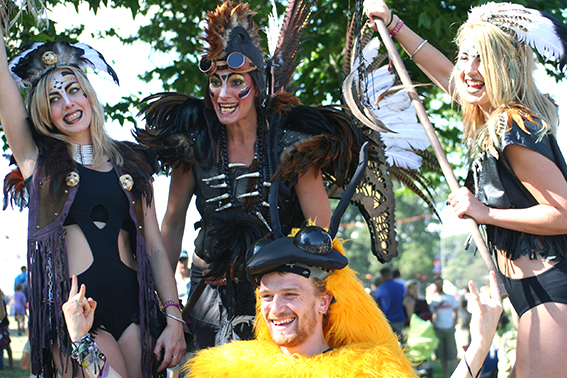
Back over in the Castle Field the legendary Kid Creole and the Coconuts took to the stage, and whilst the man himself didn’t appear to have changed much, his Coconuts, whose three costume changes brought a fashionable pizazz to the show, looked to have grown up in a later generation. With classic hits like Stool Pigeon and Annie, I’m not your Daddy to get the crowd going, along with his theatrical antics with the Coconuts; there was no shortage of spectacle. Later on, if the Castle Stage area had had a roof The Levellers would have happily lifted it with a rousing set to close the evening. That wasn’t the end of live music however. In Pig’s Big Ballroom, The Men That Will Not Be Blamed for Nothing, put in a thundering performance of anarchic ‘punk with a message’. And the message was? -well pretty tongue in cheek and often hard to make out, but definitely delivered with humour and heart. Across the way in the Big Top, Musical Youth, led by the energetic Dennis Seaton were still musical, though maybe no longer quite so youthful. They managed to show that even with a slimmed down version of the original line-up they still had plenty to offer. Sadly their set ended rather abruptly as they were cutting into the Silent Disco, but their big hit Pass the Dutchie still got an airing and an appreciative audience.

After a night on the Bollywood carpet the thought that Sunday might be a day of rest was quickly forgotten. Only the inflatable church, which had hosted a spate of irreverent weddings over the weekend, was taking a break. People arriving with day tickets filled the gaps left by those that had long journeys home and work to go to on Monday, and it was only too easy to separate the exhausted and bleary-eyed party people from the freshly showered and frighteningly energetic locals who had just popped out from home for a day’s fun. They weren’t disappointed. A line-up that included Nik Kershaw, Heaven 17 and a blistering performance from headliner Labrinth left only the traditional firework display to light up the sky in spectacular fashion.

To say that there is something for everyone at Camp Bestival is an understatement. From poetry collectives and author interviews in the Literary Tent, to Adult Chanting and Shamanic Healing in the Soul Park. From puppet shows in Dingly Dell and Mountain Boarding and Inline Skating in the Freesports Park, to fantastic food and a fancy dress parade, there is far too much to do and nobody could possibly leave without enough memories to last a year. Who could ever forget the heart stopping Wall of Death; thrills and spills from the Medieval Jousting Teams; the Big Wheel; the Helter Skelter; the giant sand pit; the Insect Circus and the Knitting Tent?…  yes a Knitting Tent, get over it. There was even a WI Tent serving gallons of much needed tea – just the job when you needed a lift.

For a weekend of family entertainment Camp Bestival is still way up there and well deserves each one of its Festival awards.

Words and pictures © Marshwood Vale Ltd..
Trill Summer Festival

trill-summer-festival

Farming, food and family fun were the themes of the weekend down on Trill Farm during this year’s annual summer festival.

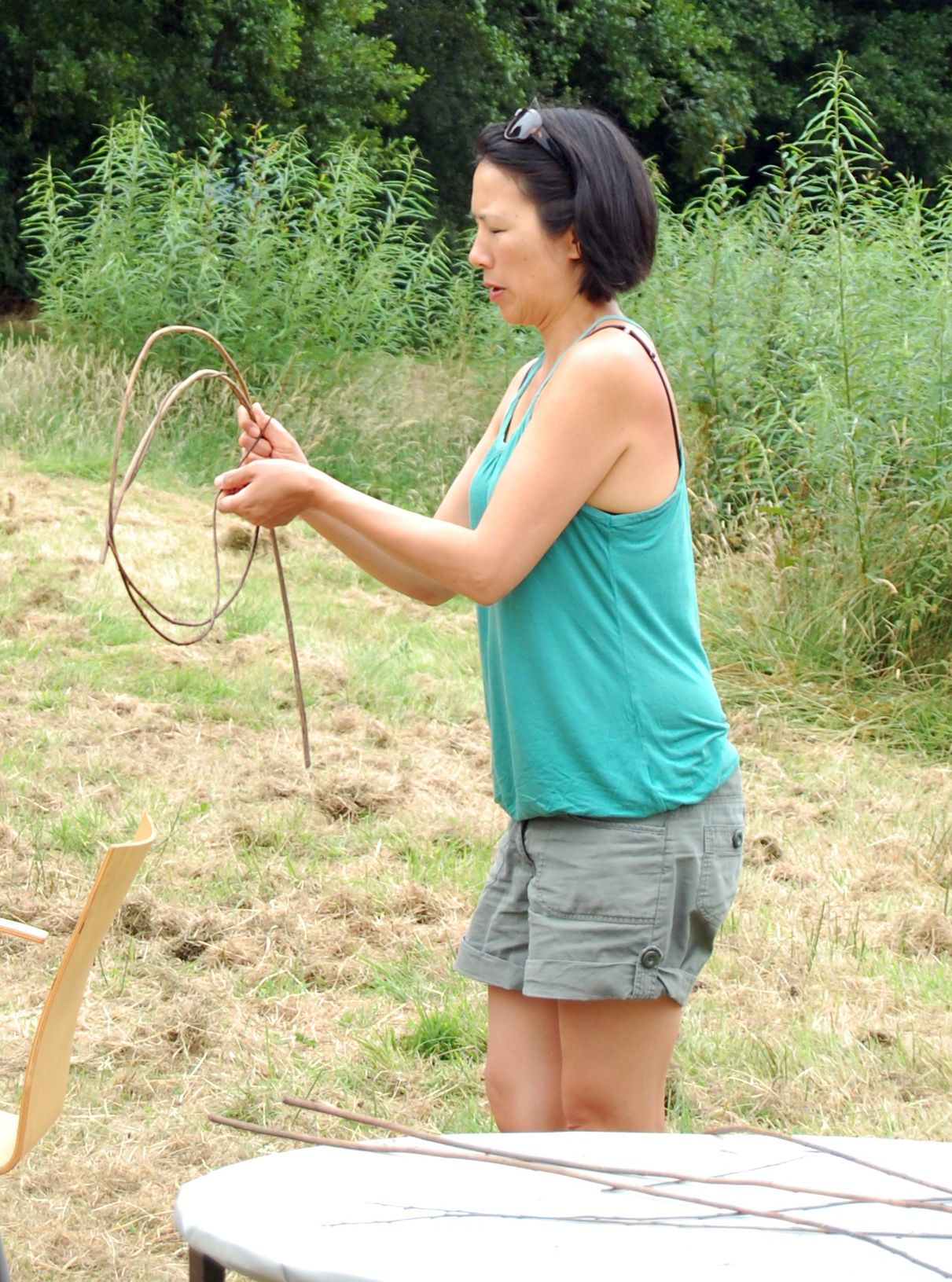
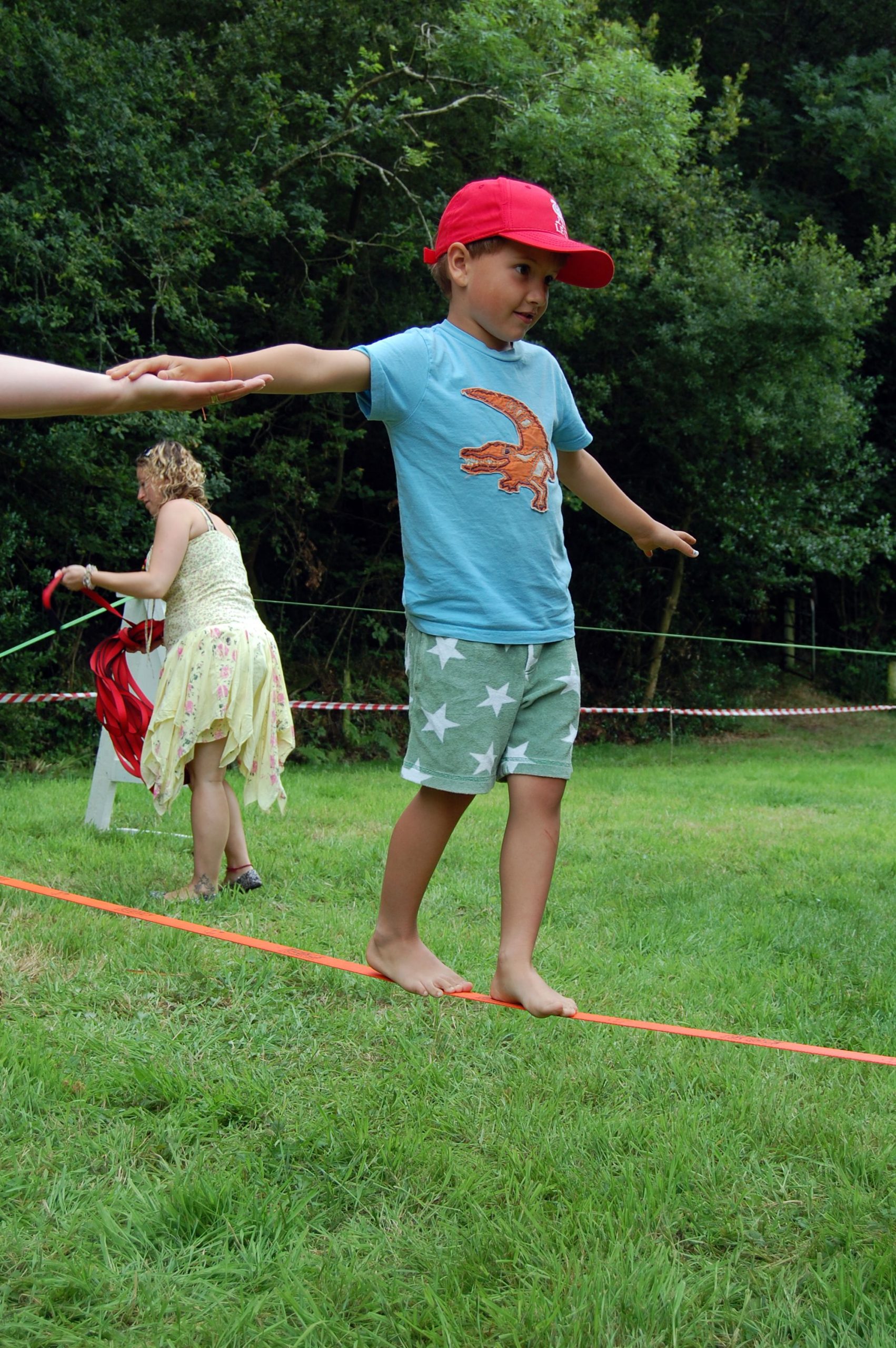
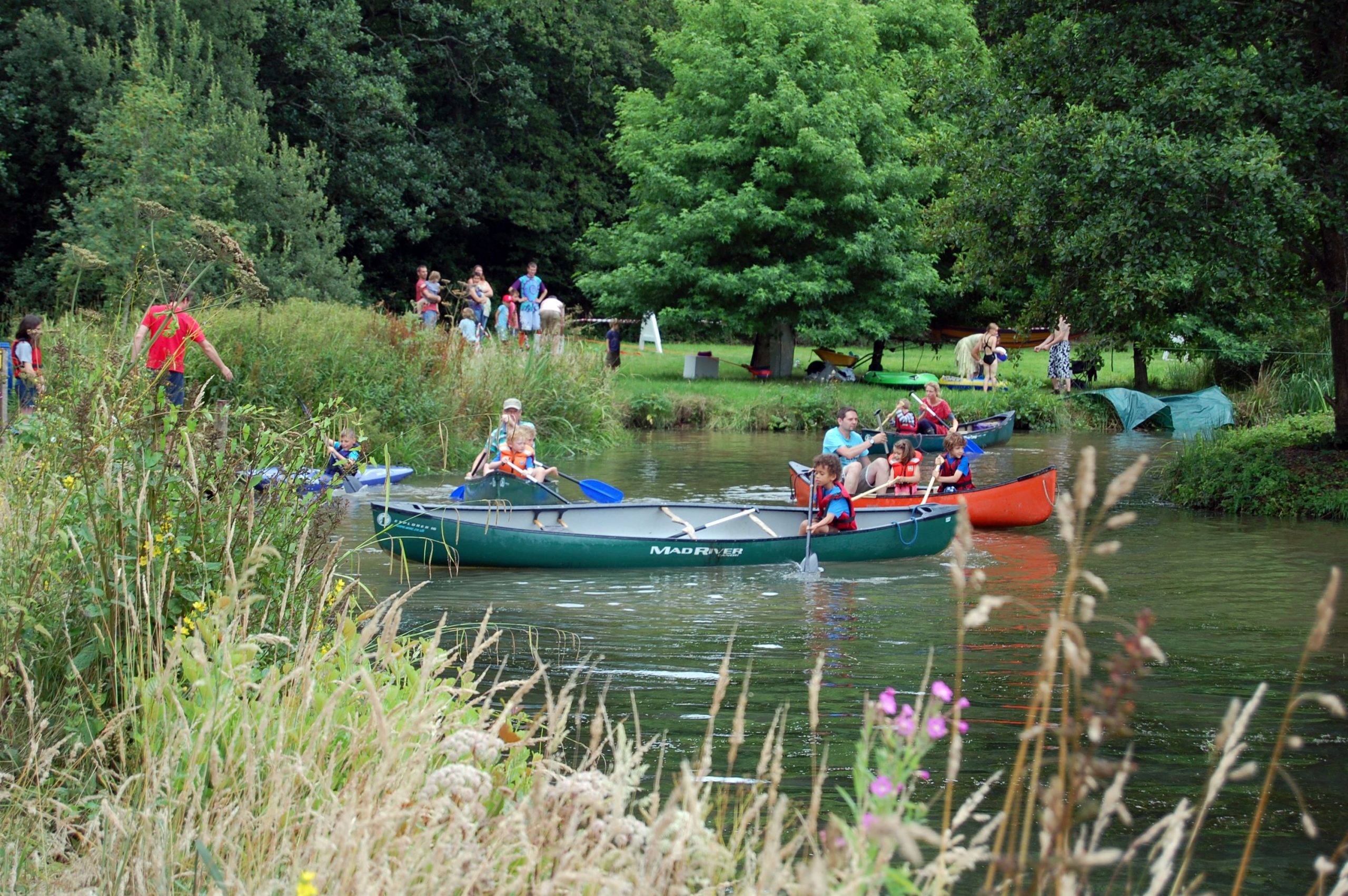
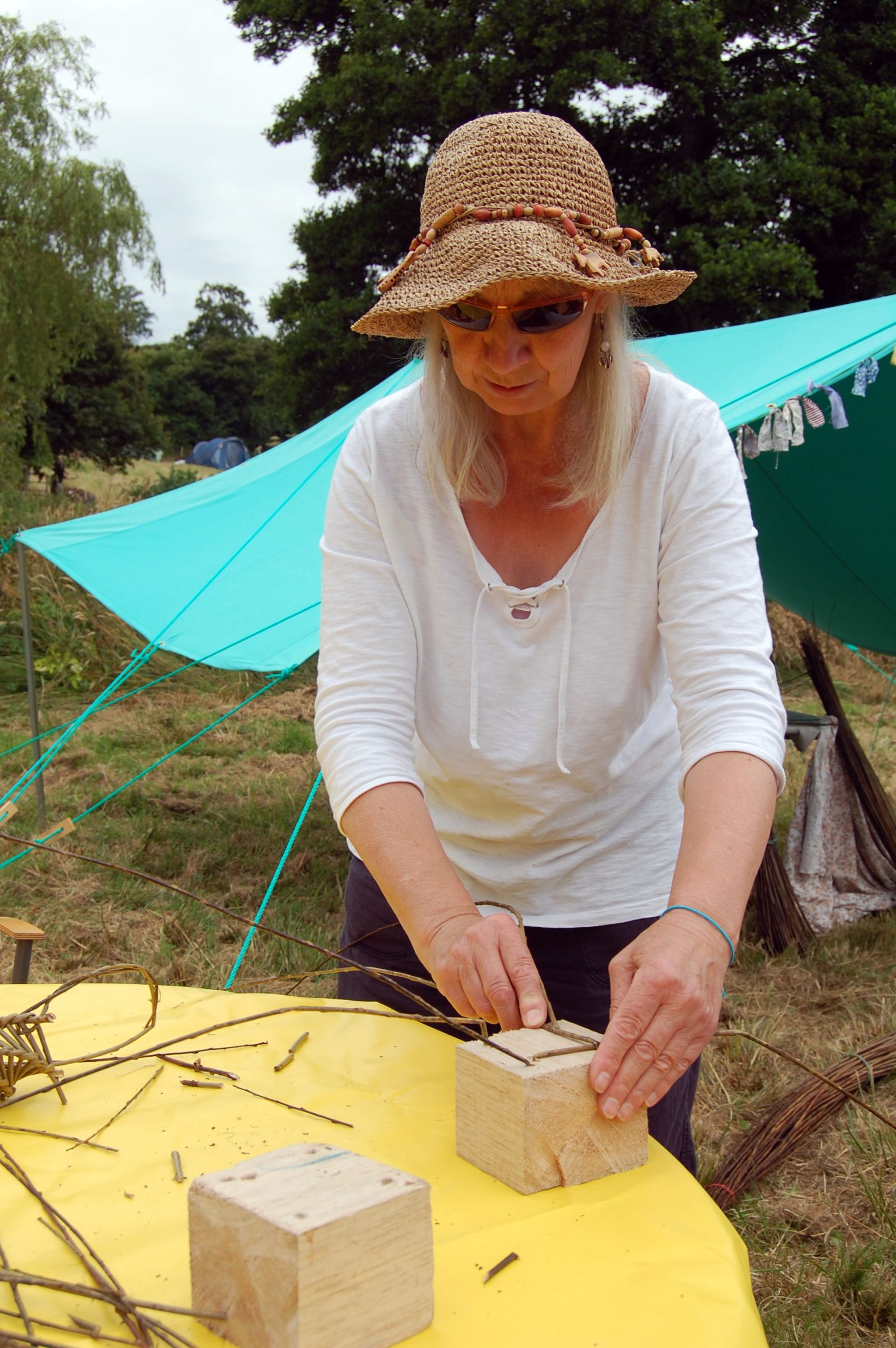
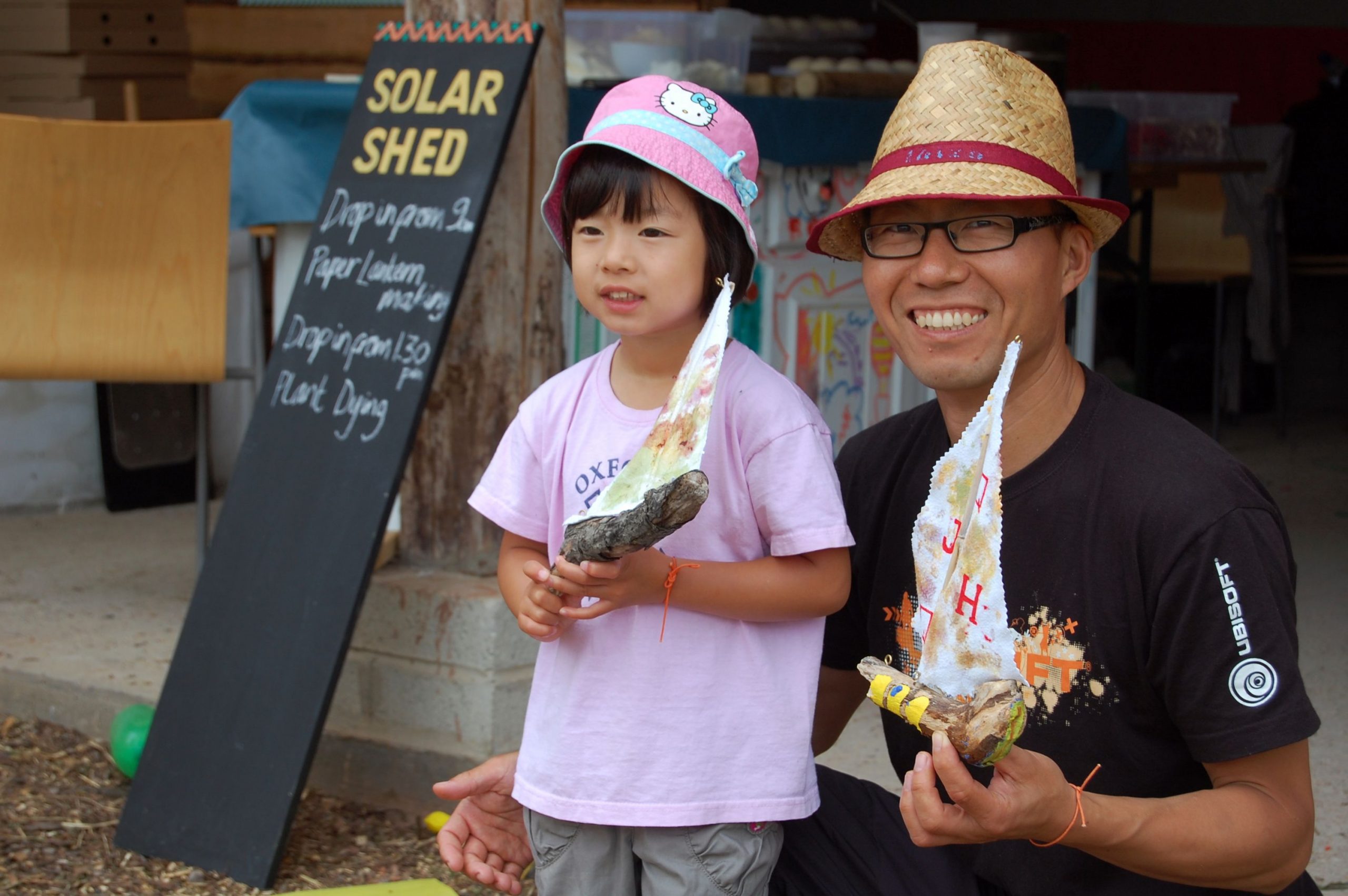
Situated just outside of Axminster, this countryside location was home to around 500 guests, tempted by the promise of a ‘back to nature’ experience, many of whom camped for the entire weekend. Now in its fourth year, on offer were a variety of activities, from willow weaving to felt making, circus skills to African-inspired drumming classes.

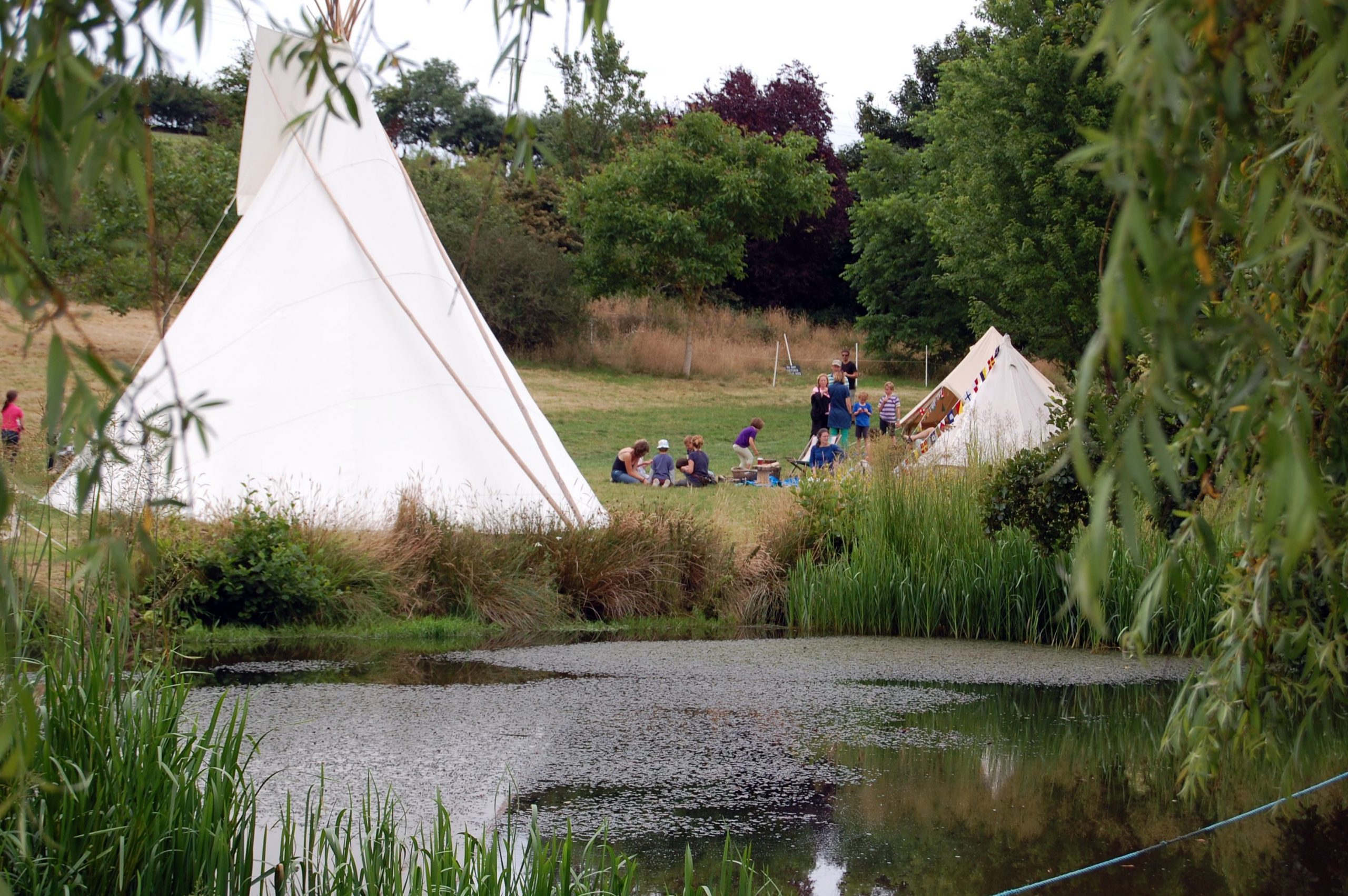
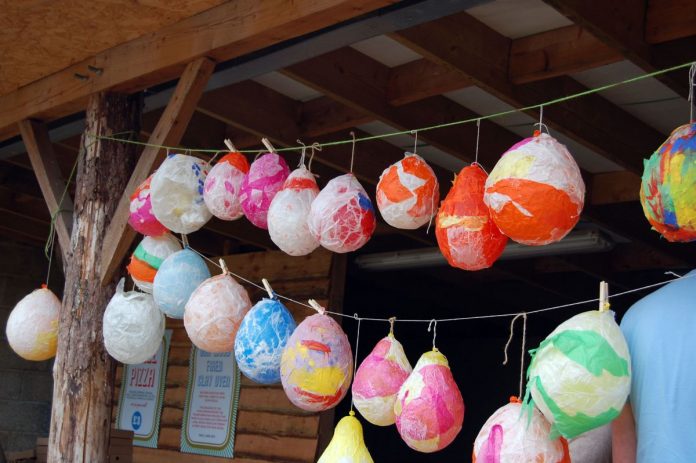
The whole farm was laid bare for visitors to wander through, each turn leading to something new. The rolling hills of this 300 acre West Country setting was a breathtaking sight, the fields delightfully spotted with tents, yurts, tipis and flags, paraphernalia indicative of a festival. Walking into the barn one could stumble into a forum discussion on the prevalence of consumerism in society, and then walk out the other side to see children getting their faces painted, or playing cricket. Along each path there was something different for adults and children, the whole area emitting a relaxing atmosphere.

dsc_0501Saturday did see some rain but the spirit of the festival was certainly not dampened. Anything on the bumper programme which was being held outdoors was quickly moved into a dry area, with the quick thinking of organisers ensuring nobody was disappointed because of the weather.
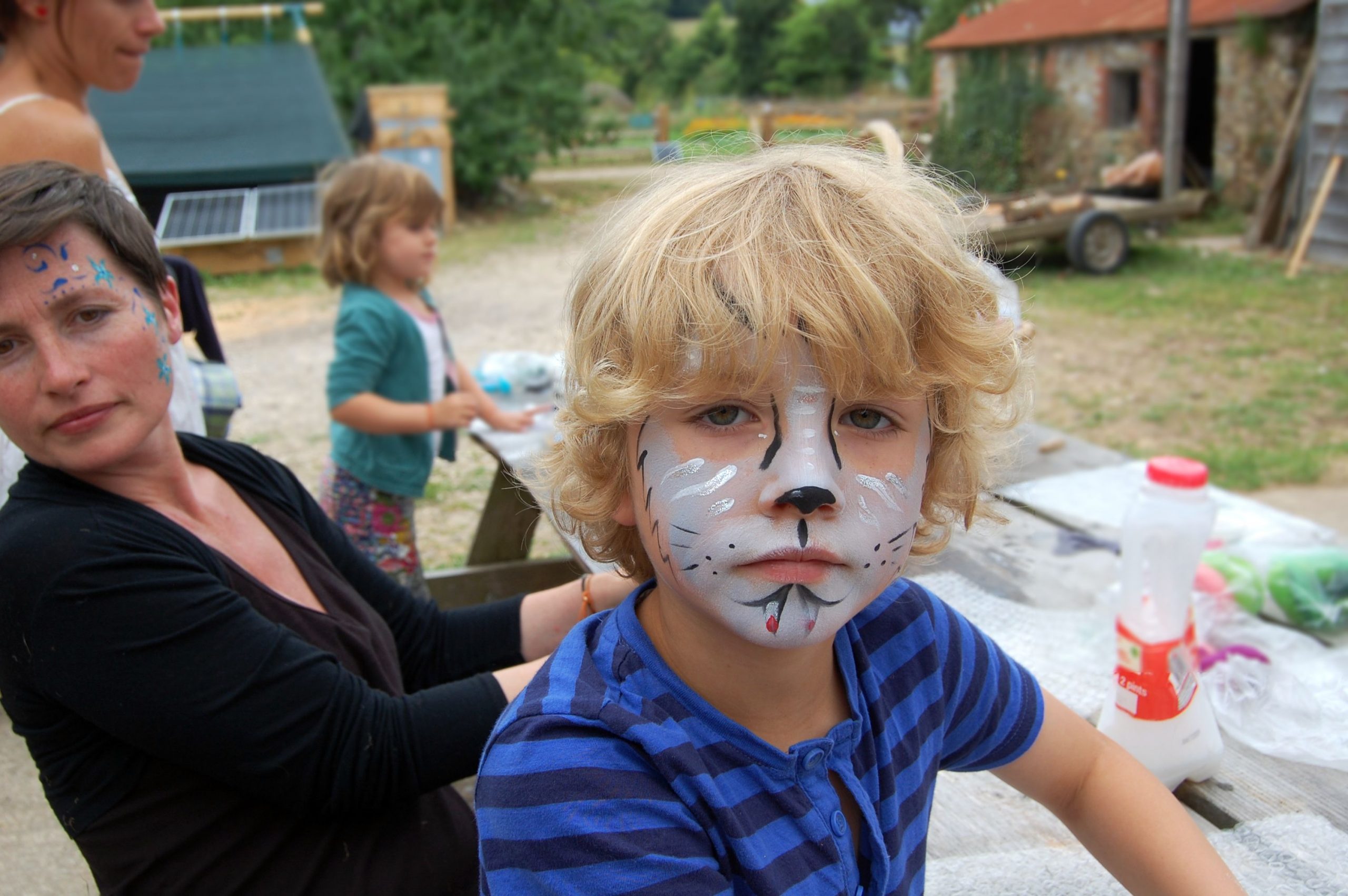
Dusk on Saturday evening saw the beautiful night time procession, using the lanterns guests had made during the day. This culminated in a fire sculpture by the lake, created by one of the UK’s foremost theatrical artists. It was a dazzling spectacle which those present will fondly remember when they return home.

Food was a big part of this festival, an unsurprising factor as it took place on a farm which holds sustainable farming and nutritious food as core elements in its ethos. The aim of Trill Farm is simple when it comes to food. Using organic principles for all produce, they “work in harmony with nature to create an abundance of both cultivated and wild food” which can then be shared at the festival, and there certainly wasn’t a lack of choice.

dsc_0444
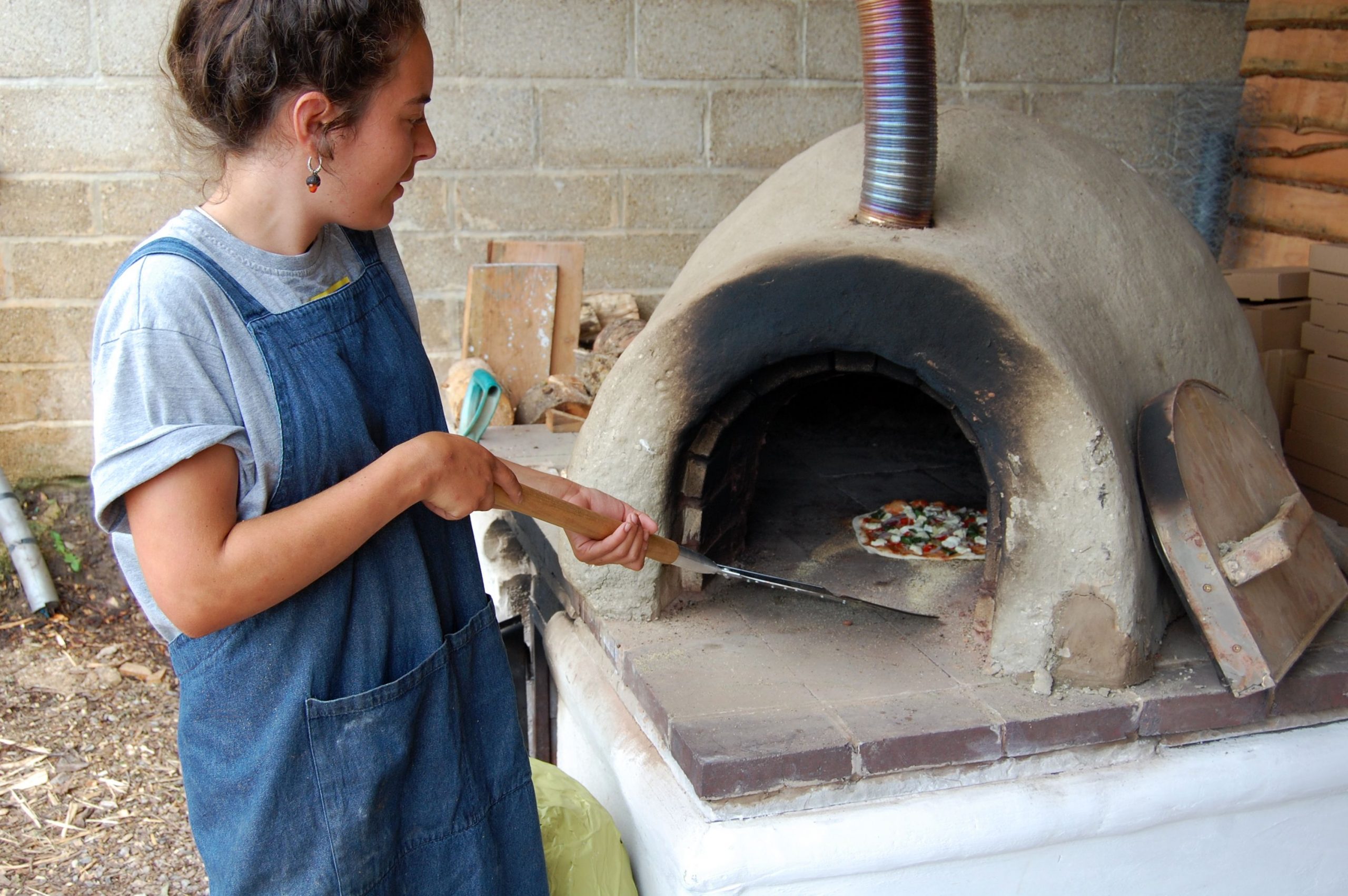
Calypso Owen, making pizzas at Trill Summer Festival

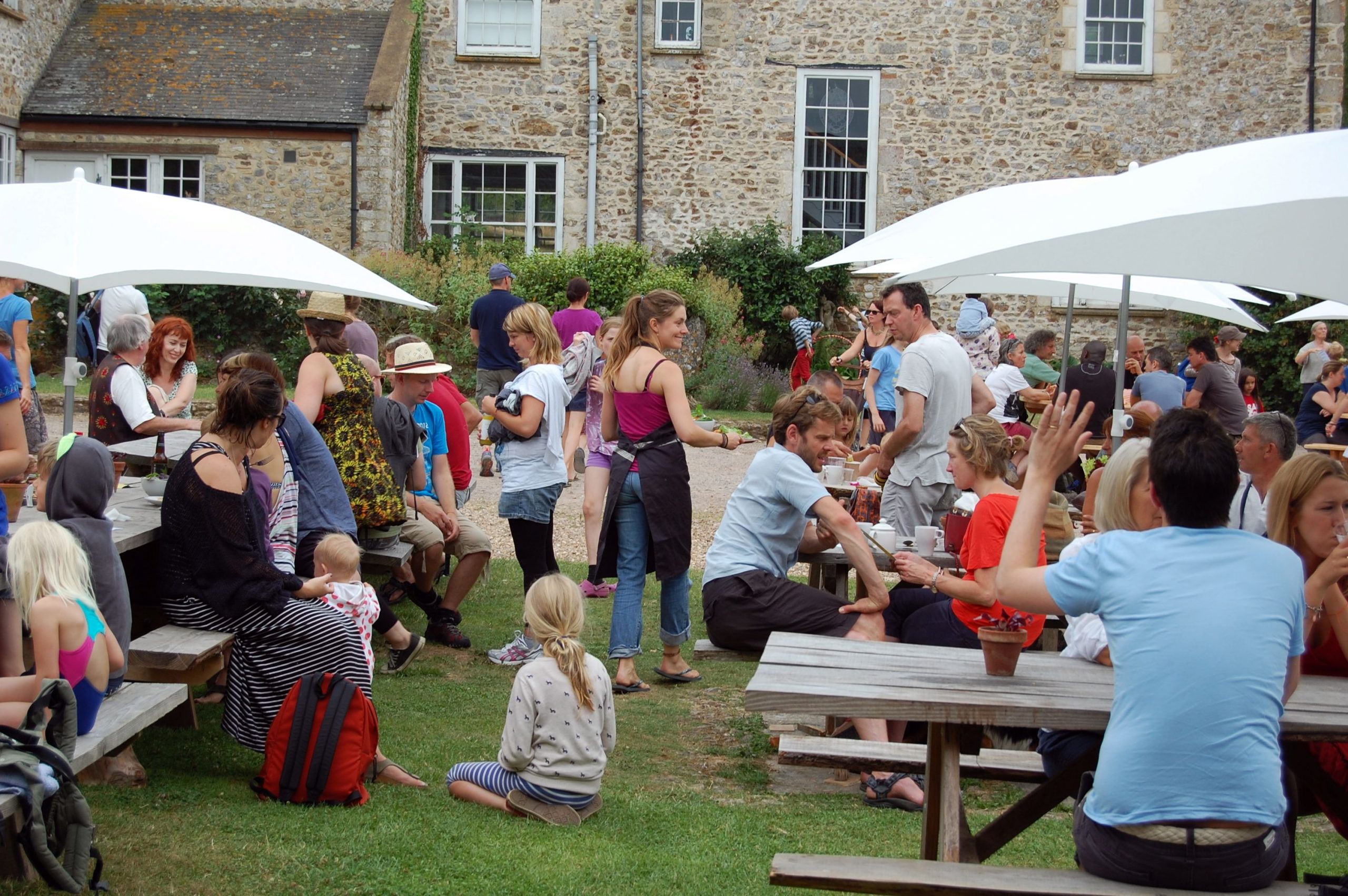
The courtyard café served a range of meals and snacks, from brunch to supper, sweet and savoury. According to the organisers of Trill Summer Festival, “food we eat connects us to the soil and brings us together in both a joyful and meaningful way”. This was evident from the menu options for the revellers, with Merguez sausages, fava bean cakes, Trill shep

herd’s pie, roast vegetable lasagne, Red quinoa with red onions, garlic & cherry tomatoes, and saffron barley pilaf.  A great selection of food: colourful, seasonal, fresh and delicious.

As if that wasn’t enough of a feast, elsewhere on the farm freshly made pizzas were available, cooked in their new clay wood-fired oven throughout the day and evening. For those seeking liquid refreshment the bar was well stocked, serving organic beers, ciders, wines and cocktails, as well as flavoured popcorn – an unexpected treat.

The Trill Summer Festival managed to get the balance right on the mark: a full programme of things to do but plenty of time and space for relaxation. There were things for adults to enjoy, things for children to enjoy and things for families to enjoy together – a simple, but by no means basic, chance to take stock and enjoy life.

Words and pictures by Benjamin Parker.

Stoke Abbott Street Fair

stoke-abbott-street-fair

Stoke Abbott provided the setting for an old fashioned, quintessentially British summer’s day out this month, a day thoroughly enjoyed by all those who attended.

This year’s Stoke Abbott street fair, an annual event with roots back to the Victorian period, saw the streets of the village lined with attractions and visitors wandering happily through the picturesque lanes.

The origin of this tradition dates to 1870, when a group of workers formed a sickness insurance fund before any form of social security existed. It became known as the local ‘sick club’. To raise funds the club had an annual party and parade through the village. Just as before, the ‘sick club’ parade started proceedings in 2013.

This year funds from the fair are going towards the village church, the village hall and the Weldmar Hospicecare Trust.

“Each year our street fair raises vital funds for the village and our chosen charity whilst giving both locals and tourists a really enjoyable afternoon”, said Catherine Schrier, secretary of the fair.

“With traffic-free lanes, fun activities and live music, it’s the perfect summer day out for all the family.”

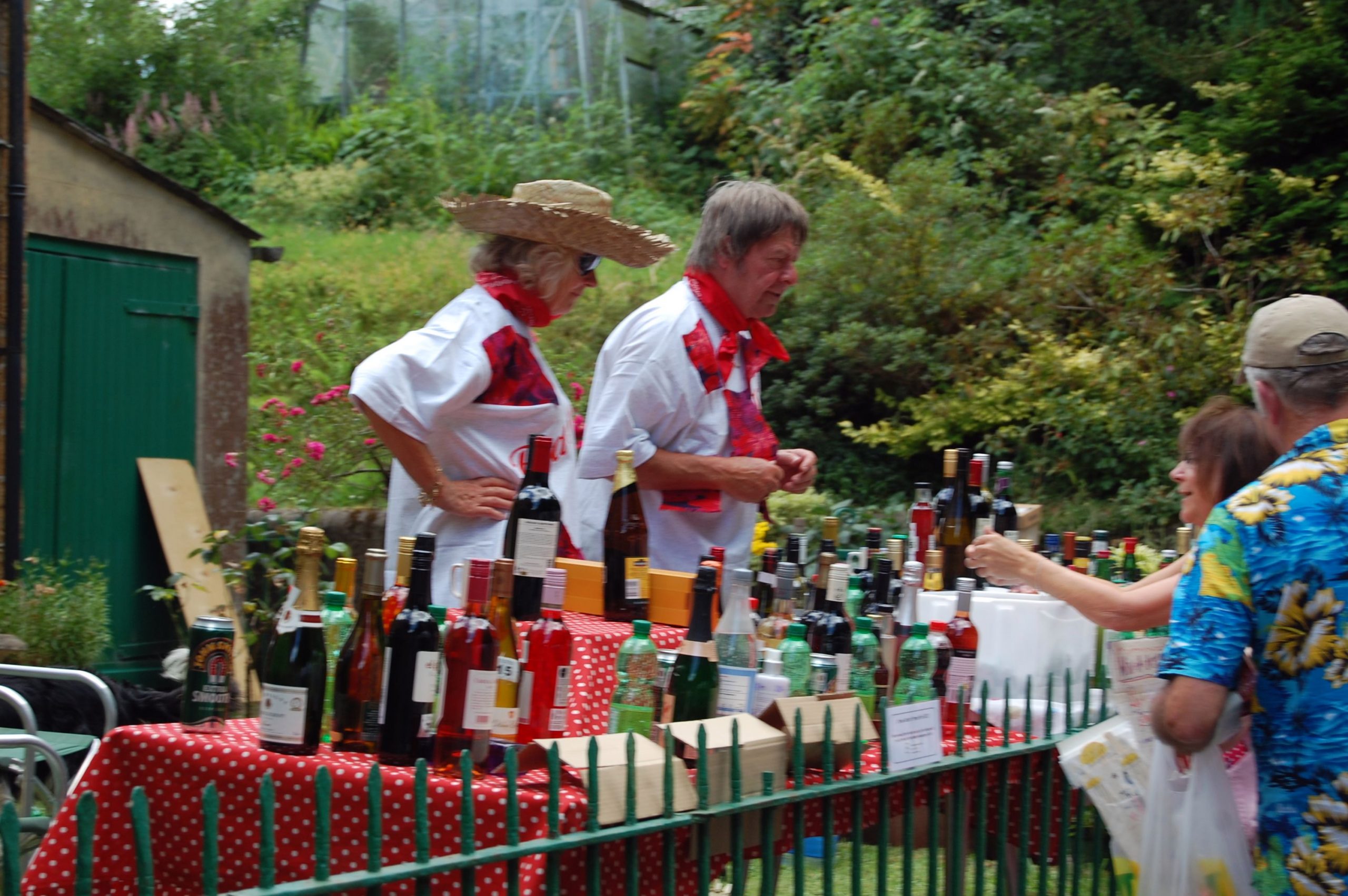
dsc_0378Walking into the village from the car park visitors were greeted by youngsters selling homemade lemonade, perfect refreshment on a humid day. At certain points the sun hid behind the clouds but there never seemed to be any hint of worry that a drop of rain might fall.
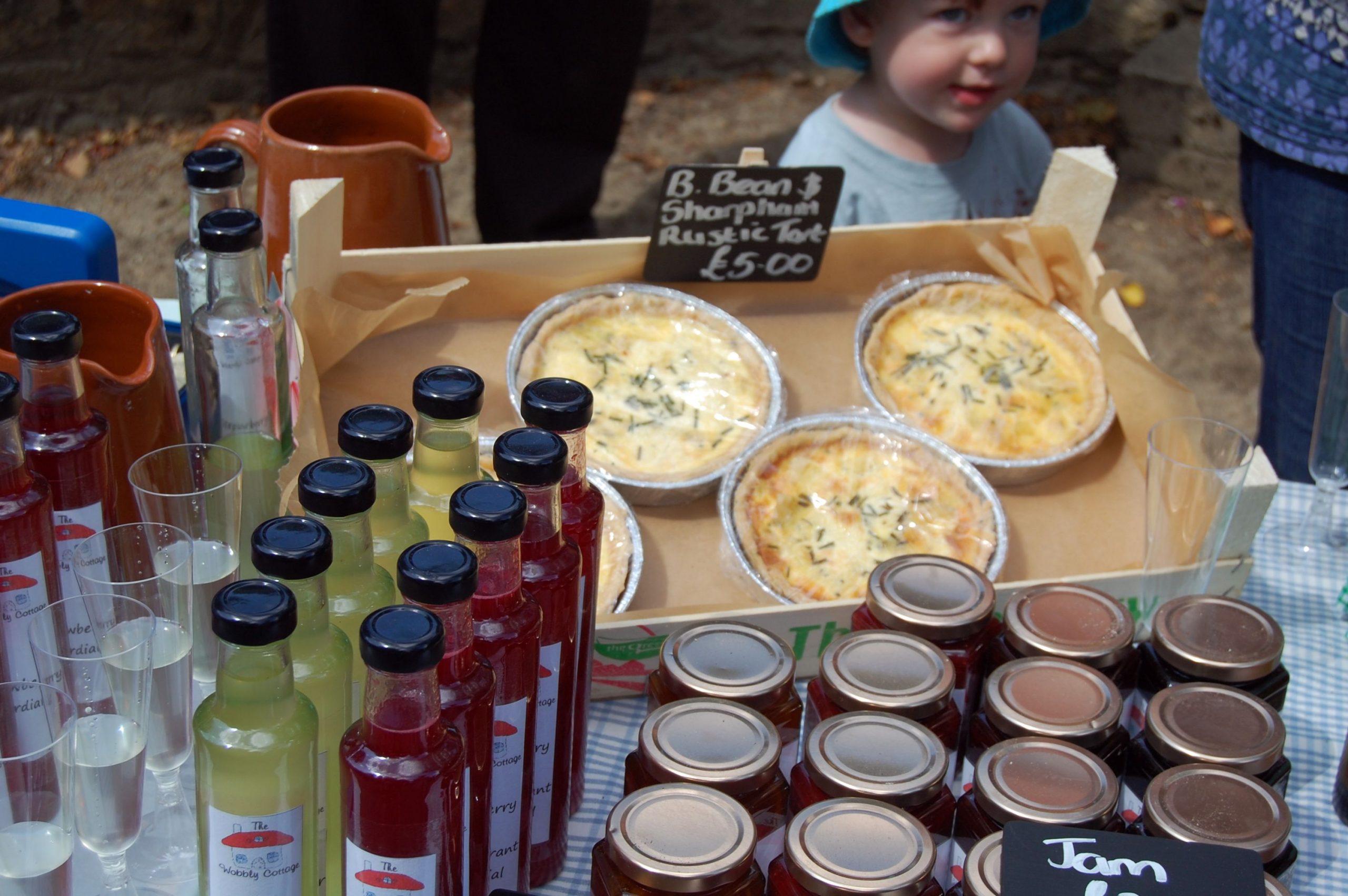
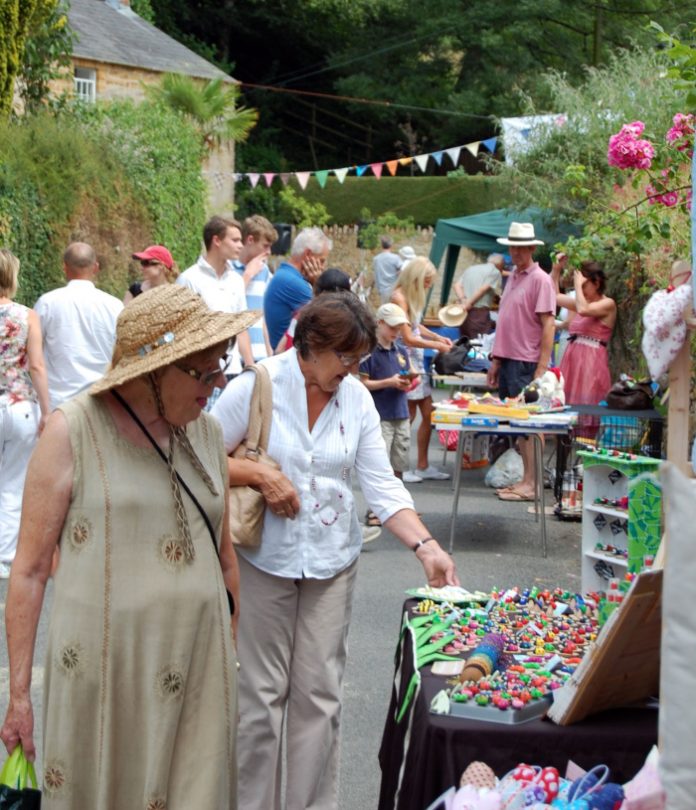
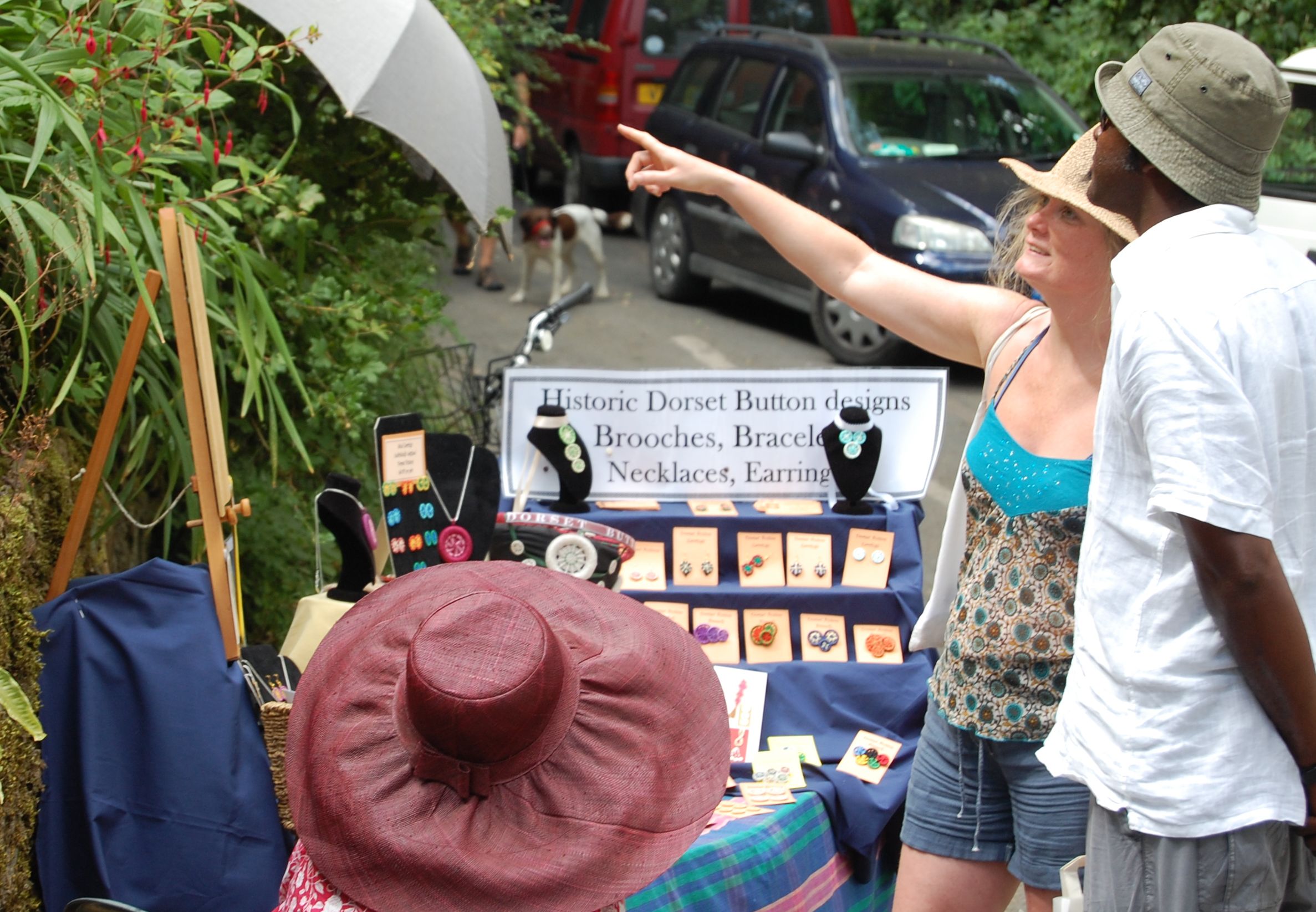
The more traditional stalls, the tombola, the raffle, the cake stalls and the craft stalls, were all well-presented and for the majority of the afternoon had a crowd of people around them. Accompanying these stalls were some slightly unusual ones, including a human fruit machine, which attracted some curious looks from those who saw it.

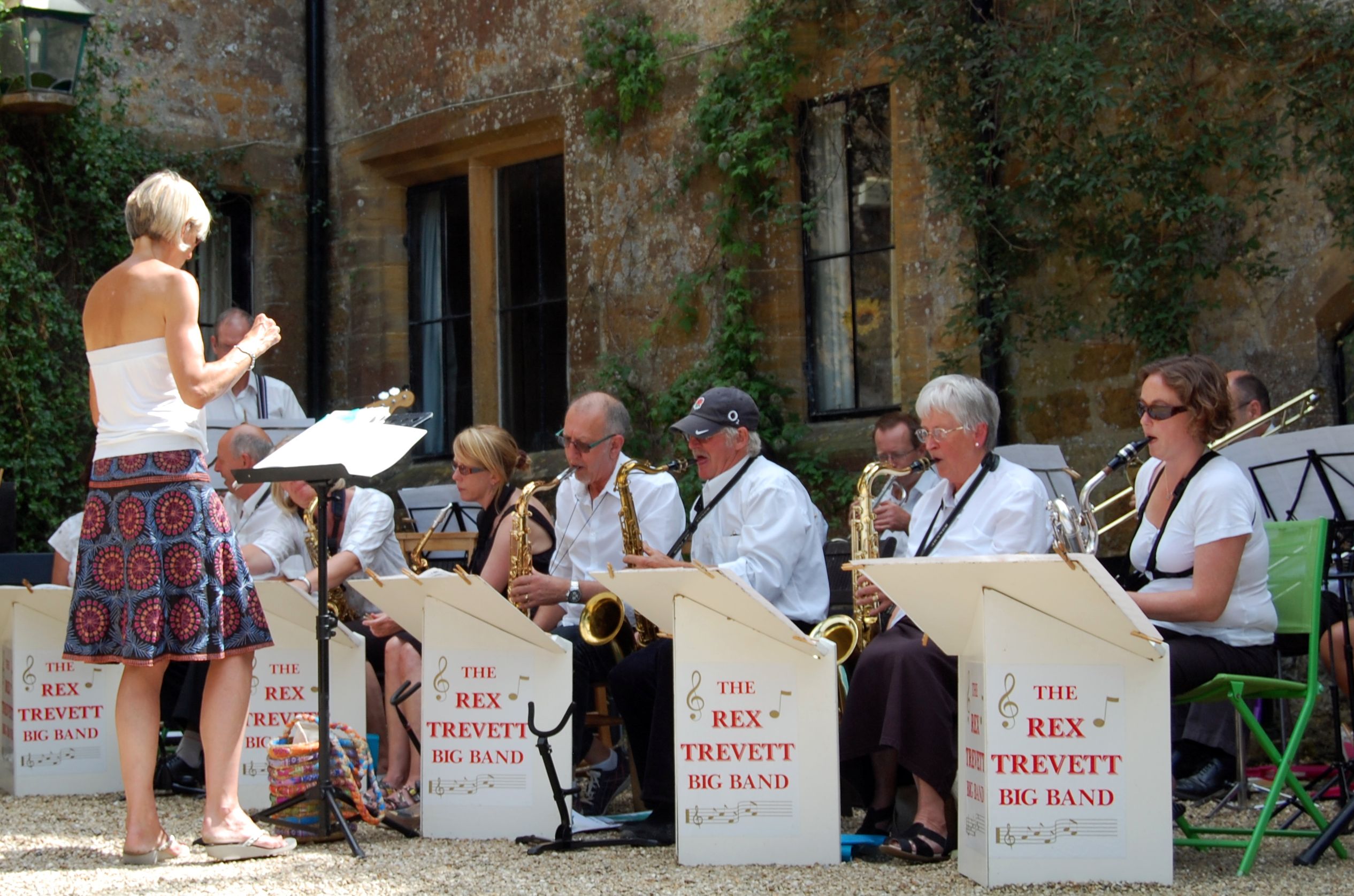
Teas, cakes and music were available in the centre of it all, with particularly fabulous music courtesy of the Rex Trevett Big Band, who returned to the fair after a popular performance at the 2012 event.

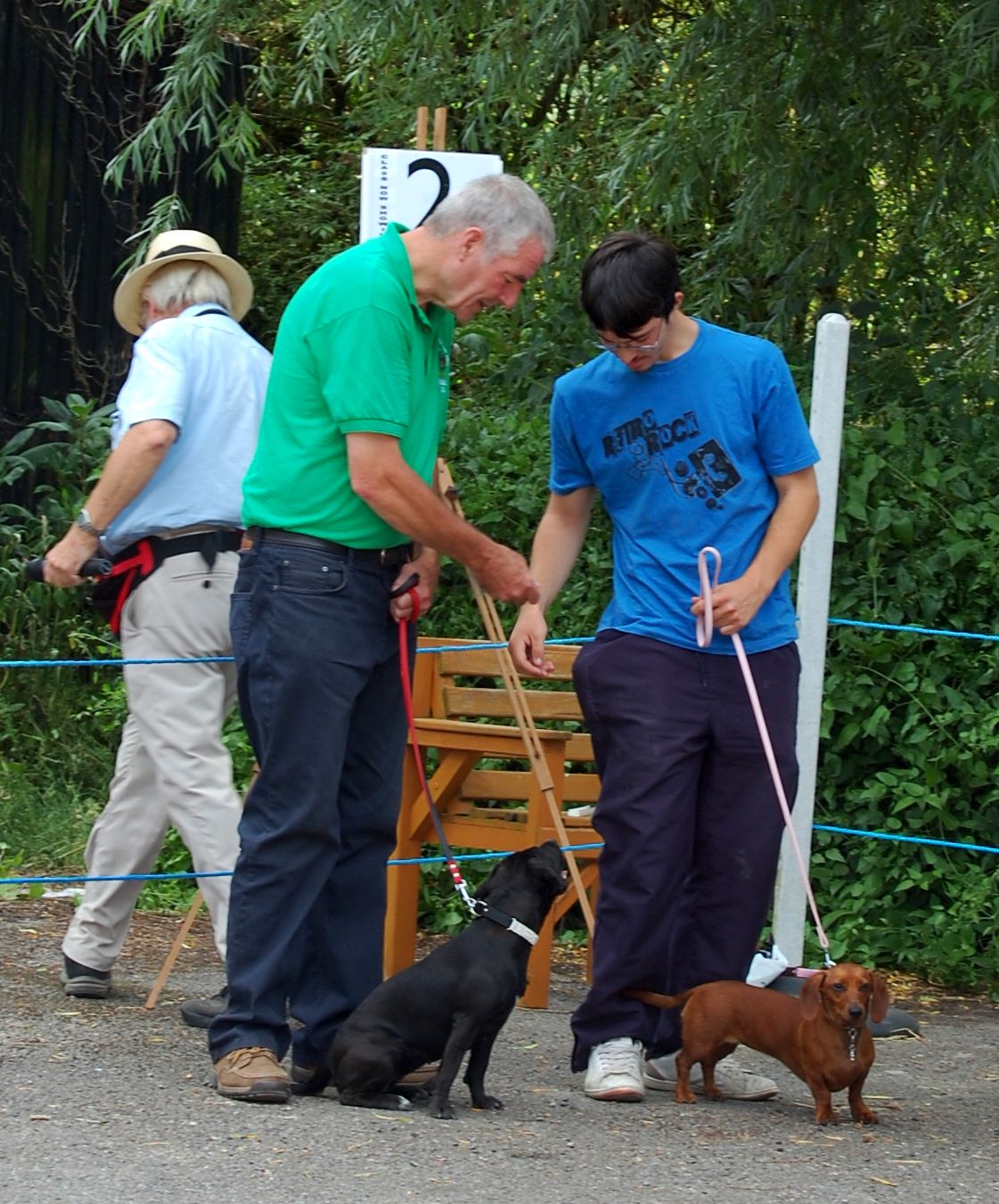
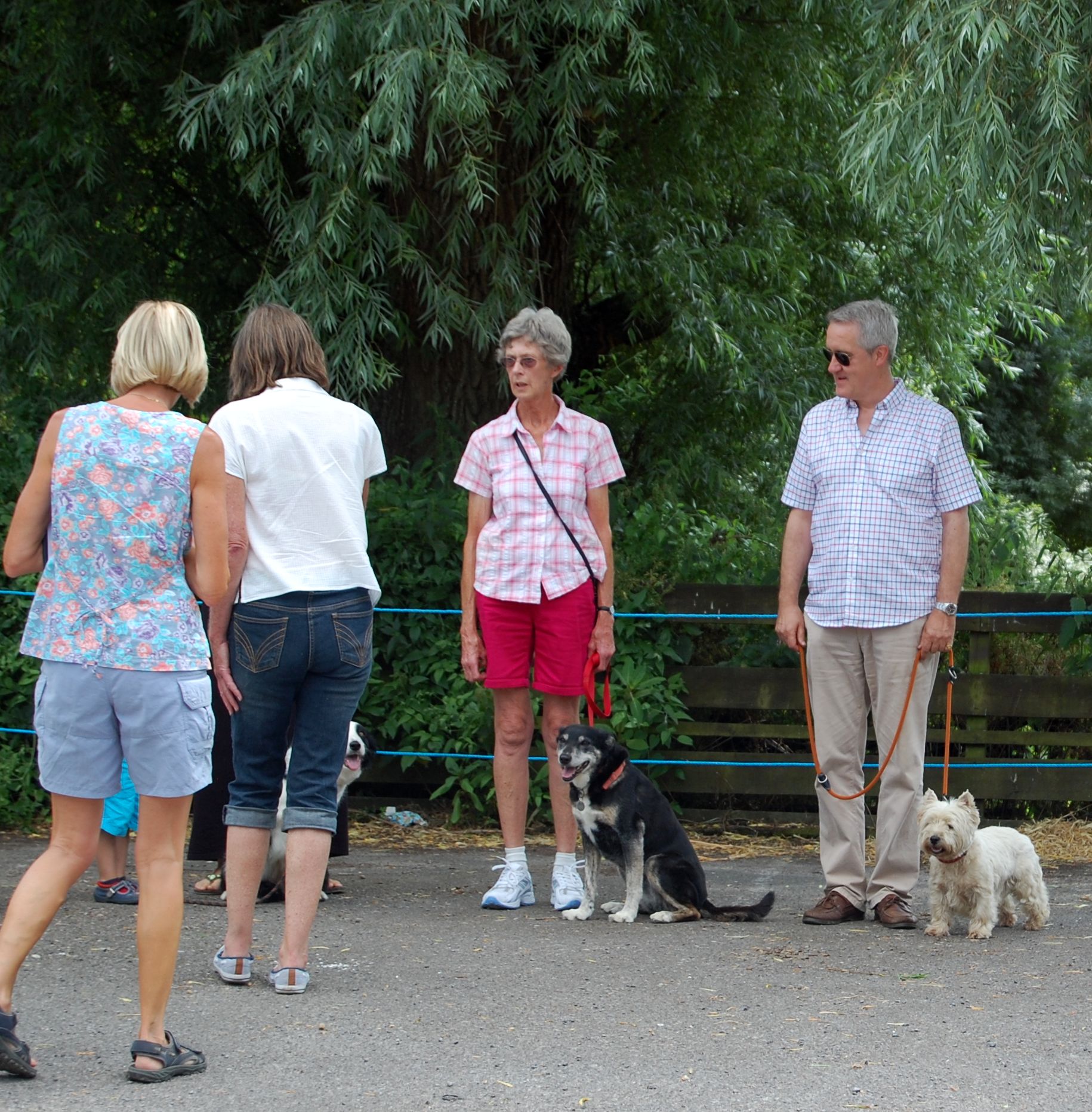
The dog show enticed spectators and entrants throughout the afternoon, with prizes in various categories, entertaining those watching happily on hay bales surrounding the makeshift arena.

Essentially out in ‘the middle of nowhere’, this event is a great escape from town, a lovely walk in the summer sun, a chance to eat local produce, a chance to buy some interesting items and a perfect opportunity to try your luck in a raffle – top prizes included a ferry crossing and B&B stay and a meal at the village pub, The New Inn.

Something for tourists and locals alike, this remains one of the most popular days out in the region and gets bigger and bigger each year, with all proceeds going to good causes. Pencil it into the diary for next year!

 Words & pictures by Benjamin Parker

Dorset Seafood Festival

dorset-seafood-festival

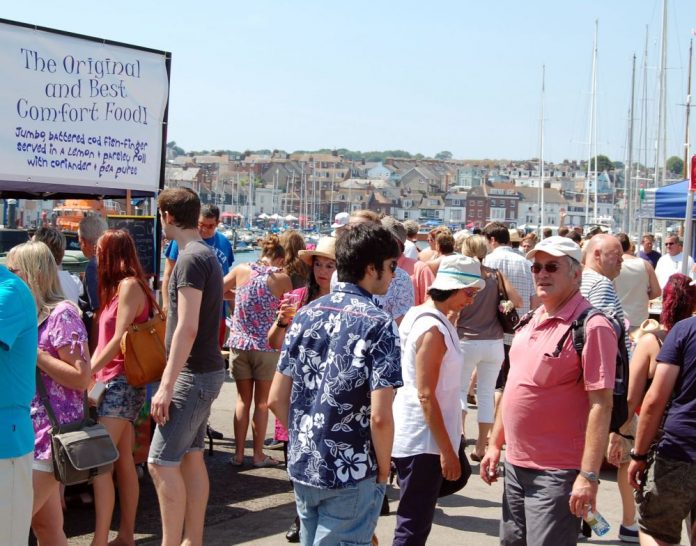
Basking in blue skies and sunshine, Weymouth had a particularly fishy feel to it at the weekend during the Dorset Seafood Festival.

The two-day event brought thousands of people into the town and along the quay to see the best the region can offer from the ocean.

Last year the Saturday programme had to be cancelled due to strong winds and heavy rain but this year was the polar opposite: two days of near-uninterrupted sunshine and high temperatures.

The term ‘street food’ was something this festival amplified, with a selection of dishes from a wide range of cuisines being served up to the throngs of visitors. From a gourmet fish finger sandwich to Thai fishcakes, from Indian-style curries to Spanish paella, there was something for every taste.

dsc_0431The emphasis was on the highest quality produce, with talks on sustainable fishing through to demonstrations from some of the top chefs in the area. During every performance the cookery theatre was surrounded by people eager to see and hear the advice from such gastronomic experts as Lesley Waters, Mark Hix, Russell Brown and Mat Follas.

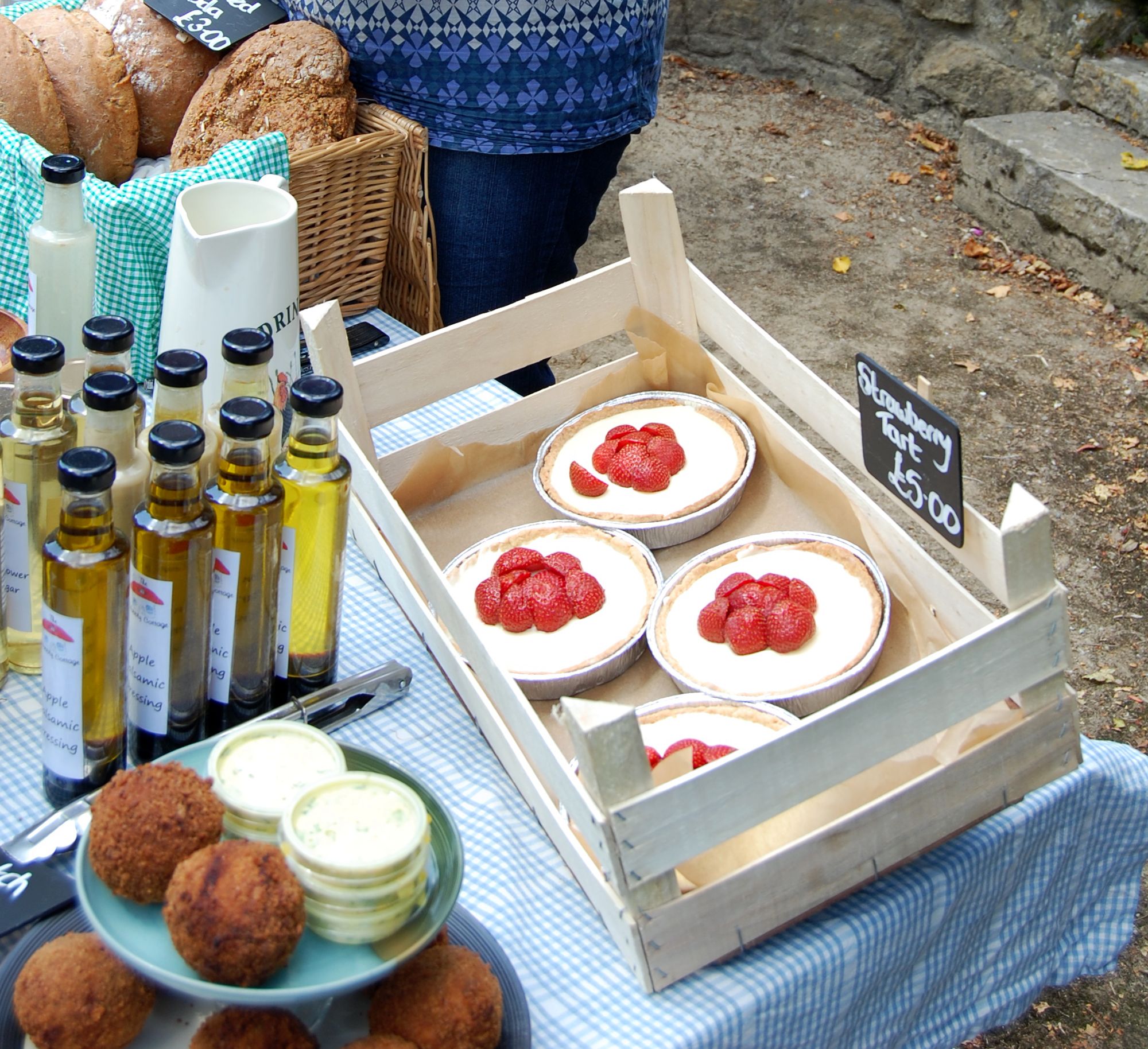
Over the years this celebration of all things seafood has grown and grown to become a unmissable event for both locals and tourists. Chances to sample West Country cheese, to taste mouth-watering pastries and cakes, and to purchase professional-quality cooking equipment was interspersed with charities, local businesses, and stalls selling some of the finest ciders from the South West.

“Since its inaugural event in 2008, the Dorset Seafood Festival has rapidly grown into one of the largest free seafood events in the UK. The award winning event was recently placed in the UK’s top ten food events by the Independent newspaper”, said Roger Dalton, chairman of the festival.

“I’d like to take the opportunity to thank the members of the organising team, who have put in a tremendous amount of work over many months to make the Seafood Festival happen.

“Thanks also go to the sponsors, individuals and organisations that have helped immensely; we couldn’t do it without you!”

dsc_0455The sights and the smells of this festival cannot be fully explained on paper. With this glorious British summer we are having at present, the image of people strolling along with a fresh crab sandwich in one hand, waving to other visitors enjoying a river cruise alongside Weymouth quay in the sunshine, is an image that should be remembered for years to come. It is a great advertisement for the beautiful area we live in, and shows how well the region does food and drink

Words & pictures by Benjamin Parker

Lyme Regis Mackerel Festival

Forget the catch of the day: mackerel was the catch of the whole week during the inaugural Lyme Regis Mackerel Festival.

Throughout the week there was a range of attractions laid on for people to enjoy and, as happened during June’s Crab Festival, all the money raised went to good causes.

The mid-week highlights included a talk on sustainable fishing and on the future of fishing. Held at the Marine Theatre in Lyme Regis the panel included a wide variety of experts from their field, all with a passion for good quality, sustainable fish. Mark Hix, celebrated chef, food writer and one of the driving forces behind this event, was flanked by restaurateur Mitch Tonks, fishmonger Simon Bennett, food and wine expert Trevor Gulliver, author and columnist Charles Clover, Marine Conservation Society representative Jim Masters and Andrew Pillar from a Plymouth-based food processing company.

From the offset members of the panel made it very clear they had opposing on keeping fishing sustainable as well as economically viable. The audience was equally as feisty, with a mixture of ex-fisherman, fishing enthusiasts and writers getting involved. The atmosphere, while at times feeling ‘no-holds-barred’, produced a succinct and stimulating discussion about what could be done, locally and globally, from a wide range of topics to fish stocks to how to educate people about eating fish.

img_6504
The panel, from left, Trevor Gulliver, Simon Bennett, Mitch Tonks, Mark Hix, Charles Clover, Jim Masters and Andrew Pillar.

After the talk, which was presented admirably by Philip Evans, the hall was cleared and tables were laid out to bring on the evening’s second mackerel-themed spectacle: the feast. Prepared by Lin Pidsley, Head Chef at Hix Oyster and Fish House, guests got the chance to socialise while enjoying a number of four delicious courses. The sold-out venue’s well-fed attendees were a fitting tribute to the versatility of the humble mackerel.

Friday saw a different setting but the same aims: promote mackerel and raise money for charity. Chef Mark Hix and Lin Pidsley set up a temporary kitchen underneath the Marine Parade Shelters and began cooking various dishes which were then auctioned off to hungry spectators for the charitable causes. Dishes included a mackerel open sandwich, a mackerel curry dish and a mackerel salad. Within an hour over £500 was raised.

img_7419The end of the afternoon saw the culmination of the mackerel recipe competition, with three finalists creating their fish dishes before they were judged by Mark Hix, Simon Bennett, Tony Colston and Lin Pidsley. With an emphasis on seasonal, local ingredients the overall winner was Beckii Goffe, a 16-year-old culinary student from Yeovil College who, despite her age, showed fantastic creativity and flair in her dish.
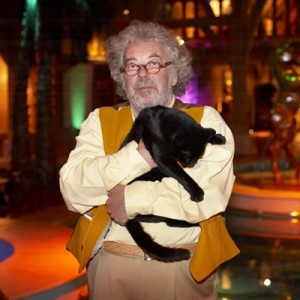
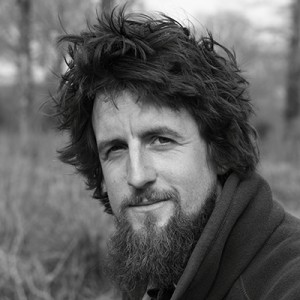
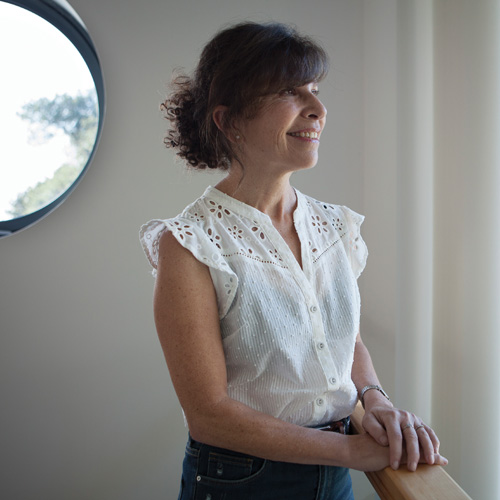
Runners up were Maya Pieris and her dish will be on the menu at By the Bay, while Neil Gregory will have his dish featured at The Millside.

Over the week a silent auction raised £1060 for Fisherman’s Mission, the cook-off raised £515 for the Lyme Regis Lifeboat and £1500 was raised in ticket sales from the talk and feast for The Marine Theatre roof fund. This summer, with the town seeing both the crab and mackerel festivals taking place, has meant over £5100 raised for the three charities.

Mark Hix, heavily involved in this week, had positives to say about the whole programme: “The talk was great, I think it’s really useful for the general public to basically know about and hear about what happens in the sea.

“We had a good mix, it’s always good to have a mix of people from the inside the business and some from outside.

“Some of the panel got very feisty. It’s always a great thing to have though.

“The feast afterwards was great. So was the competition, very interesting, we had a range of different people entering and in the final.

“The winner was a girl from Yeovil College. I like to support them, something like this gives them a boost. She just got it right. A lot of the competition is simply understanding what we are looking for.

“Jo Harris has been fantastic; it’s great to have Jo on board, really helping out with things in the local community”

When asked if the festival would be returning to Lyme Regis next year, Mark was certain: “Yes, this is now an event for every year.”

Words by Benjamin Parker

Pictures by Simon Emmett

Ele Saltmarsh – Campaigning for our Future


Ele Saltmarsh (pronounced Ellie) doesn’t mind being the youngest
member of the coordination group of Food Sovereignty UK, or being
the international campaign’s manager and heading up the youth group of the newly formed English branch of La Via Campesina.  She doesn’t mind at all; in fact she loves every moment of it. Over a cup of tea at home on Fivepenny Farm, Ele explained to Franny Owen why she’s devoting as much time to campaigning as she possibly can.
Photographs by Robert Golden.

In September 2012 Ele arranged funding through War on Want for delegates from Food Sovereignty UK to take part in The Good Food March to Brussels. ‘By an amazing twist of fate the march into Brussels happened on my sixteenth birthday on 19 September. People started marching from Munich and all over Europe on 25 August—some people cycled from Calais—but obviously I couldn’t get that much time off school at the start of the year, so we took a coach in and camped on the outskirts of Brussels and then all marched in to the city for the big conference on reforms to the Common Agricultural Policy.’
Ele’s pretty deft at juggling her campaigning and schoolwork alongside her current project on Fivepenny Farm, where her mum and dad—Jyoti Fernandes and David Saltmarsh—have been putting their commitment to small-scale sustainable farming into practice for almost 10 years. ‘My sister Ari and I look after the goats. I go through phases on the farm, looking after different things. I started off with flowers, selling them at the market; went on to chickens, raising them with an incubator; then geese, raising them and selling them for meat, but then I became a vegetarian. I really did like the geese but then we looked after a baby goat that was really sick and we were given Doris, its mum, and now we’ve got nine. We milked Doris and made cheese, but all the goats are pregnant now, so we’ll milk them again when they’ve had their kids.’

It’s lucky that Jyoti will be happy to milk the goats in the morning, leaving the girls to do the afternoon milking when they get home from school. It’s lucky too that Ele has what she describes as ‘an annoying talent for not having to work too hard at school’, and that her school, The Woodroffe in Lyme Regis, is very supportive of her campaigning activities. GCSEs may be coming up in June, but Ele’s absolutely clear that campaigning to make sure the planet has a viable future is at the very top of her agenda.
‘I just love it. I’ve been going to campaigns with Mum since I was tiny and I’ve always believed what we were doing is right, but I remember a particular GM protest a couple of years ago. I was listening really carefully that day and it made me think if I want to change these things when I’m older, why not start now?’

Ele’s very aware that time is of the essence. ‘That’s why I started as soon as I could. Obviously time’s running out for the whole world and we’re getting close to a critical point where it won’t be possible to turn things around. But if people really want to change I think there’s still time to make that happen. I went to a youth group recently in Budapest with Via Campesina and they asked us a question about reforms to the Common Agricultural Policy (CAP). “How many of you think we’re going to be able to reform the CAP, to get them to change their minds this time around?” Everyone else went to the ‘no’ side and I was left all alone on the ‘yes’ side. I’m definitely an optimist!”

At that meeting in Budapest Ele became a signed up member of the European coordination, Youth Group of La Via Campesina. Founded in 1993 to campaign for the rights of small-scale food producers, today La Via Campesina (The Peasants’ Way) represents more than 200 million farmers, growers, pastoralists and fishermen, making it a hugely significant, transnational social movement, with a big voice in food and agricultural debates.

At the World Food Summit in 1996 La Via Campesina launched the concept of food sovereignty. The initial impetus, which came from farmers’ networks in Latin America—food sovereignty is a direct translation of ‘soberania alimentaria’, which in Spanish emphasizes the decision making power of the people—was based on the conviction that the small farmers are capable of producing food for their communities and feeding the world in a sustainable and healthy way.

At the Nyeleni World Forum for Food Sovereignty in Mali in 2007 a call was made for a radical restructuring of the global food and agriculture system. Food sovereignty advocates for the rights of consumers to healthy and culturally appropriate food produced using sustainable methods, and the rights of local and national food systems to be self-determining for the benefit of their communities and environments.  Food sovereignty puts the aspirations, needs and livelihoods of the people who actually produce, distribute and consume food—rather than the demands of markets and transnational corporations—at the heart of food systems and policies.

The forum in Mali also set out six pillars of food sovereignty to guide future work: valuing food providers; localizing food systems; local control by local food providers of local resources; building knowledge and skills; and working with nature. European groups at Nyeleni committed to a forum to build food sovereignty in Europe, which took place in Austria in 2011, and in July 2012 Food Sovereignty UK was officially launched at a gathering of farmers, community gardeners, co-op workers, campaigners and activists from across the country, hosted by Organiclea in Chingford.

Ele was there to became the youngest member of the coordination group and she was there again in November 2012 at the Food Sovereignty UK meeting in Bristol where she put her name forward to constitute La Via Campesina UK. Going by the name of the UK Landworkers Alliance the group held its inaugural AGM in March 2013; Ele was there for that one too!

I asked Ele what she loves about campaigning: ‘I really, really love the colour green. Plants in polytunnels, grass, trees, everything; it’s so awesome. It’s magical seeing the energy of it all. I have this real passion for energy, I don’t even know where it came from, and I just love seeing energy, learning about energy, thinking about the energy behind things. I think it’s really special. I love the sun. I just want to protect all of it really.’

When we met to chat about all of this, Ele was buzzing with energy and excitement about a very recent campaign victory for honeybees with the European ban on bee killing pesticides. ‘I’m terrible at Facebook, but Avaaz and 38 Degrees were brilliant for this campaign. I wrote loads of letters, signed petitions and got other people to sign petitions as well and last night I got an email telling me we’d won the battle with a vote by the appeals committee of the European Commission. They’ve voted for a two-year ban across the whole of Europe on the use of these pesticides on crops that attract bees. It’s a teeny-teeny step forward but I’m really chuffed.’

Honeybees pollinate more than two thirds of all crops worldwide so the decline in honeybee populations is a big threat to food security. There’s heated debate about what is responsible for bee deaths on such a large scale and experts believe that along with parasitic mites, viruses and the loss of habitats, neonicotinoid chemicals in widely used systemic pesticides are a key factor.
More than thirty scientific studies have linked neonicotinoid chemicals with damage to bees, but Ele thinks the ban is above all a victory for common sense. Even without irrefutable proof that neonicotinoids are definitely fatal to bees, it’s more than likely they’re a very significant part of the problem, so why take the risk when bees are vital to the ecosystems that other insects, plants, animals and humans all depend on?
Ele seems to have a better grasp than Owen Patterson (MP and Secretary of State for Environment, Food and Rural Affairs) on the precautionary principle that’s supposed to underlie environmental regulation and she’s pretty certain that other influences were also in play with his opposition to the ban. She points out that thousands of ‘ordinary’ kids who watched Bee Movie—a comedy about the dire consequences of bees deciding to stop making honey for humans—were switched on enough to make the connection and realize that a world without bees would not in reality be funny at all. ‘Surely someone as high up as Owen Patterson should be clever enough to realize what would happen without bees, so it does suggest that he had some other motive for voting against the ban’.

Chemical companies and pesticide manufactures, including Swiss global giant Syngenta, which has a big presence in the UK, lobbied ferociously against the ban, claiming it would damage food production and put famers’ livelihoods at risk. Ele thinks this lobbying had much more to do with protecting corporate revenues than protecting producers and food sources. ‘To be honest we don’t really like Owen Patterson and we get the feeling that most of the politicians are under the thumb of the big corporations.’ On this occasion, common sense and campaigning have won the day for the honeybees and the UK can’t opt out of the two-year moratorium that starts on 1st December.

But there wasn’t much time to kick back and bask in the victory because hard on its heels another vote in the European Commission—the Plant Reproductive Material Law—was threatening dire restrictions on seed availability with a proposal that all vegetables, fruit and trees should be officially registered with a central Plant Variety Agency—for a fee that will be prohibitive for anyone except the really big players—before they can be reproduced or distributed.

Ele reckoned that Europe was ‘pushing everything right now because they think all the farmers are too busy to do anything about it’, but the campaign networks had swung into action with the result that when the law was put to the vote on 6th May there had been some important last minute changes.
Home gardeners will now be allowed to save and swap unregistered seed without breaking the law and small organisations with less than 10 employees will be permitted to grow and supply unregistered vegetable seed. Seedbanks will also be able to grow unregistered seed, but they’ll be prohibited from giving unregistered seed to the public. And there’s some fuzzy stuff about easier rules, perhaps, for large producers of seeds suitable for organic agriculture, in some unspecified future legislation—maybe.
These are the good bits; amendments secured by determined campaigning to a very bad law that basically creates new powers to classify and regulate all plant life anywhere in Europe. Ele explained that there had been a lot of pressure from the big seed companies and officially the law is supposed to ‘increase consumer protection’ but in reality it’s more about protecting the interests of the globalized agribusiness seed industry by creating a register of ‘their’ varieties—or genes—so they can sell them in huge quantities to industrial farmers and stop smaller farmers from saving seed, and selling or using it themselves without paying a royalty fee.

None of the big companies are advocating for heritage varieties so if registration became mandatory heritage varieties would ‘just be wiped off the map’. The law is in draft form at the moment so there’s no guarantee that the amendments, or further concessions that campaigners manage to win, will make it into the final law when it’s put before the European Parliament. There are also clauses in the law that mean any concessions could be removed at any time in the future without a vote.

Campaigners know the battle hasn’t been won and they need to be vigilant and keep up the pressure. They think that the law is completely back to front and are calling for testing and registration to be voluntary so that the sort of growers—massive industrial farmers for instance—who want seed that’s passed certain tests could choose to use ‘officially registered’ seed, and everyone else would be free to choose non-GMO, non-patented, non-hybrid seed to grow food for people that actually contributes to biodiversity, protects heritage varieties and may well make all the difference when, rather than if, food security becomes an even bigger problem than it is already.

After her GCSEs Ele’s hoping to do an internship in the summer with Greenpeace. Then it’s back to The Woodroffe and she’s hoping to persuade her teachers to let her do some ‘extra’ subjects for As and A levels. Mainly science and environmental subjects and Maths of course—‘because you’ve got to take Maths’. Ele’s also planning to start her own campaign to encourage farmers to plant Lucerne on their farms.

At the moment the main protein in animal feed comes from soya, ‘which is grown in the rainforest and then imported all the way over here, but there’s this really simple alternative of growing Lucerne, which is good for the animals and can replace the soya and also fixes nitrogen, so it’s good for the soil. We’re going to test out a bit, it should be fine and the only problem I can think of is buying the seed and persuading the farmers to make space to grow it.’

Ele’s impressed that Latin America is getting pretty good at this kind of thing. ‘Of course they’ve got the rain forest right next to them so everything is a lot more imminent there and they’re generally better at everything. And also their governments … well quite a lot of terrible stuff happens so I find the people are more resilient, looking to make their own way instead of relying on subsidies and all these laws and things, some of which are good, obviously; I mean we don’t get people disappearing in the night.’

Ele’s planning to work her Lucerne campaign into her A level extended project qualification, ‘to save time both ways’. She quite likes the ‘boring politics side of things—although it’s not everyone’s thing’—and since this campaign is going to be targeted at farmers, rather than consumers, she’s going to be working on all the facts and figures so she can field questions about the disadvantages and make a really smooth presentation.

She thinks education definitely has to be the way to get people to think about changes that need to be made, but that sometimes makes her angry too, ‘We’ve been doing GM crops and GM engineering in our Science and looking through all the revision books there are loads of pros about how it could feed the world and produce insulin and cure cancer some day, and in the cons just “some people think GMOs may be harmful, but this has not been proved”, and that really bugs me because the students will see that and they’ll think these scientists are out there developing GM and it’s good and nothing needs to be done.’

Ele recognizes that coming from her background she’s always been at an advantage and thinks that awareness events can be a really good way of getting the message across to other young people. ‘It depends on what you’re trying to influence people about. Shopping with multi-nationals is a really big thing and last year we set up a Farmers’ Market in Tesco’s car park that grabbed a load of people’s attention. We handed out flyers and once they saw what was going on, they actually read the flyers and they were like “Really?”

‘Things like that are fantastic, it’s definitely got to be fun, daring, exciting—because you really can’t frighten people with the prospect of a horrible future when they’re living the now. You’ve got to get people doing stuff, show them what they can do and that it’s awesome at the same time, and get the old world out into the new world—like letting piglets out in the street. We brought some of our lambs out and everyone went,  “Aahh lambs, they’re amazing”. You can get all the girls that way; it works a treat.’

In June, Ele hopes to squeeze in a trip to Indonesia, for a Via Campesina international conference, between her GCSE exams. ‘I definitely want to get a whole lot more involved in the international side of things so I can help boost it up in the UK.’ In the ‘long future’, she’s hoping for Oxford. ‘Everyone says I should be aiming for Oxford and I’d like to do Biological Sciences or something like that and then go on doing this, but start getting paid! I’ve always got room to change my mind, but I’m just thinking I might as well do this, it’s what I like. It’s fantastic.’

Along with the campaigning, the goats and the schoolwork, Ele’s also making her own dress for her prom on 4th July. ‘It’s a butterfly theme and I thought of making it green’, but in the end Ele decided to base her lovely, floaty creation of net and hand painted gauze on the colours and markings of the Monarch butterfly. Getting into her finery and spreading her wings on American Independence day seems wholly appropriate for this beautiful, bright and exceptionally self-possessed young woman. We—and the planet—are lucky to have her, and I hope she has a fabulous party. In the future she’s so determined to protect, we’ll be hearing more from Ele Saltmarsh. I’m sure of that; ‘definitely!’

Felix Dennis

When I last met Felix Dennis we sat in the kitchen of his flat in London and talked about his past, his business, his poetry, his tree planting and the fears that have driven him to live, what in anyone’s terms, has been an extraordinary life. He chain-smoked then, and we drank a pre-lunch bottle of a fine Rosé before separating and getting on with our respective lives.

Today, a little over two years later we meet again in the same flat and there are obvious changes. We drink tea, there are no cigarettes and the conversation is somehow more candid and serious. Felix has joined the legions of people whose world has been rocked by the words, ‘You have a tumour’, the soft-step term often used to tell a patient that they have a potentially life-threatening illness—in Felix’s case, throat cancer.

Now—a year after surgery and treatment, and multiple years wiser—Felix actually looks well. In fact, he looks healthier than he did two years ago. He has lost weight, his beard is tighter (a result of the radiotherapy) and the pallor that so often wilts the faces of heavy smokers is no longer obvious. Those are the immediate and apparent physical changes but there are deeper, more imperceptible shifts inside him that perhaps few will ever really see or understand.

That’s not to say he is in any way less of a force than ever. As is so often the case his voice enters the room before he does. Today his anger and expletives are, not for the first time, directed at the local constabulary, who’s “overreaction” to a small demonstration in the West End meant he had to walk back to his office. Not ideal for a man who is still dealing with the resultant lack of stamina after cancer treatment and is, this very evening, due to embark on a 30-date poetry tour that will include stops in the UK, Ireland, Holland, France and Belgium.

I questioned the wisdom of booking a 30-date tour after cancer treatment and assumed he had begun arranging it before the diagnosis. “No, I did it on purpose afterwards” he booms with his signature mighty laugh. “I was absolutely determined to show that I could still get out on the road. This is a bit mad, this is a bit like an old lothario who’s now in his 60s trying to prove that he can still pick up girls and drink and do all the things he used to do. Possibly he can, but it will take its bloody toll. Anyway, I was determined to do it and I have done it—I am about to do it—I hope.” He is also being pressed to do a tour of America and his decision on that will likely be determined by just what a toll this tour takes.

Felix is very candid about his cancer, as well as about the process of finding out what would be the best treatment. His diagnosis was given to him at his home on the island of Mustique in the Grenadines and he first sought treatment in London. “I didn’t stint on seeing a specialist,” he says. “That’s another problem with having too much money, you go and see too many. It’s ridiculous, absolutely insane. I’m like the French National Health Service; I’m going to all these doctors until I get the diagnosis I want.” However, that brought its own set of hurdles to jump. “Everywhere I went I got different advice… everywhere I went. Then I began to realise that a turf war, a cancer turf war has erupted in London and this was finally told to me by doctors who are nowhere near London.” They told him that the number of major cancer treatment centres in London was going to be reduced very radically and that they were all fighting to be the one that survives and trying to improve their “recovery rate or their non-die rate as they call it—the survival rate.”

Felix felt that his wealth and name made him a potential prize patient and says that one surgeon “whom I will never name” said to him, “I’m going to, if you want me to, do a very radical operation indeed. I’m going to save your life and then you’re going to build me a hospital”. In the end, he went to the John Radcliffe Oxford University Trust hospital, not least because it was only a little over an hour away from his home in Warwickshire, but also because the surgeon he met didn’t seem to see him as a meal ticket. Of the initial process, he says: “I’ve got to tell you that meeting all those consultants, specialists, surgeons, radiographers, the whole panoply was utterly confusing, terrifying, contradictory and very frightening.”
He says the cancer itself didn’t hurt at all. In fact, he thought it was just a bit of pain following some root canal work he’d had done. But treatment after surgery took its toll. “Radiotherapy just bounces around and does damage,” he says. “I used to have perfect hearing; I’ve now got a disassociated left ear that as far as I know will never go away. Half my teeth were taken out. They have to be taken out with radiotherapy because otherwise, you get necrosis. I’ve lost my saliva glands from the surgery. I’ve got no appetite, I can’t eat ordinary food. If it wasn’t for soft fruit and casseroles and soup I’d be a dead man.  So all of this comes from the treatment—because we don’t know how to treat it, we’re wandering around in the Stone Age!”

The details of the excesses in Felix Dennis’s life are well documented and one just needs a few clicks on the internet, and indeed onto his own website to find them. Suffice to say he had notoriety prior to his rise to fame as a publishing magnate and one of the richest men in Britain, and carried on building on that notoriety throughout his career. He has had near-death experiences more than once before his brush with cancer and has even gone ‘cold turkey’ to rid himself of a crack cocaine habit. However, one thing he hadn’t planned to do was to give up smoking, but shockingly for those who know him, he has done just that. He says: “So I’d been smoking, God knows, thirty, forty or fifty a day for forty-nine and a half years and then just stopped, just like I gave up narcotics.” He amused the lady in the radiotherapy department with the explanation that he gave up through fear. “Terror is the best patch,” he told her and she proceeded to make a sign with just that quote to hang in the radiotherapy waiting room.  He speaks highly of all those involved in treating him but says: “I don’t think there are any more grimly cheerful places than radiotherapy waiting rooms.”

For all his success, anyone familiar with his poetry will know that he is acutely aware of the pitfalls of being rich. Poems from his latest book such as To a Child on Getting Rich and Crumbs of Comfort, offer an insight into the shallow gains of wealth. However, Felix, a self-confessed addict to the chase of making money, says it comes with the territory. Many lines of his poetry over the years have alluded to the fact that money doesn’t buy real friendship. He tells me: “Obviously what happens if you’ve got a bit of money is that a lot of people come to you and are after you, often for very good reasons, for charitable purposes or whatever, and you do kind of get tired of it. You grow absolutely sick and tired of people asking you for money. And I think that that probably interferes with your relationships with everyone else. So that’s another price you pay. But look, if you don’t want to pay the price there is a very, very simple way out. Give it all away!”

This alienation and insecurity is perhaps one of the reasons that poetry became the all-consuming passion of his life. It is a machine for him to use to dig into and turn over the soil of his emotions. Like a vast rambling garden, it contains seeds of ideas, human observations at various stages of development, and verse that holds young as well as more mature cuttings from the emotional turmoil he sees and feels. In the relatively short space of time that he has been writing, a dozen years or so, he has written over 1,500 poems. About a little less than a third of these have been published and the latest book, Love, Of A Kind, contains about twenty new ones. The rest are the product of time spent trawling through his catalogue of unpublished work. Those praising his work include the author Tom Wolf; Broadcaster and author Melvyn Bragg; Poet Benjamin Zephaniah and actor, writer and director Stephen Fry. There are also a host of others. However, there is still a hint of snobbery amongst some of the poetry fraternity. Because he is a self-made millionaire who has not held back from self-promotion, there are those within a cliquey world that will not take his poetry seriously. That is their loss. Over the years he has published seven books of poems. He explores his life and the lives of others through rhythm, rhyme and meter, painting fleeting memories, chronicling highs and lows, delivering pearls of wisdom with irony, and speaking of loneliness, death, sex and sometimes loves—of a kind.

There is a long-held belief that artistic output should come from the soul, from something deeper than intelligence and application—that somehow artistic integrity can only be defined by an entity outside of human perception and endeavour. Years ago, after one of his poetry readings, a lady came to up to speak to him. Crying softly and squeezing his shoulder she said ‘How could you know? How could you know? You are not a mother. How could you know?’ Felix Dennis has a unique ability to comprehend and articulate much of what happens around him, but that doesn’t mean he has the same depth of feeling that his subjects may have. It takes a certain kind of intelligence and focus to be as successful as he has in business and that same ability has allowed him to possess a strong grasp of the human condition, even if, as he admits, he cannot feel it himself. “I mean if you’re not willing to try to understand the engine room of what is happening in all the people around you, then I don’t know what you’re writing about” he says. He writes with the same intelligence and focus that he applies to everything he does. “When I’m writing I’m a totally different person because I’m immensely patient, I’m incredibly empathetic, very empathetic and I can put myself in a woman’s position, in an old person’s position, in a dying person’s position, in a young child’s position. I can do that and I’ve always been able to do it. Can I do this in real life? … No.”
He says that people who read his poetry, play his CDs in their cars and listen to his poems every day are a bit disappointed when they meet him, “because I’m not as immensely empathetic as perhaps my poetry is.”

An apparent lack of empathy doesn’t mean a lack of knowledge or understanding. More often than not it goes hand in hand with vast knowledge and intelligence and in Felix’s case this has been gained from personal experience of a life lived hard, as well as from his love of literature. “The Lord knows, I think I’ve read far more than is good for me,” he says. “We’ve just finished cataloguing all my books and I’ve got 23,000 of the buggers, and I have read an awful lot of them. There is a lot of wisdom in poetry and in prose, and maybe some of it has rubbed off.”

However, he has a strong thirst for more. “Because life is so short and there’s so many things to do, so many sights to see, so many things to achieve and to try, I’m terribly, terribly impatient. I just cannot bear wasting time.” As I wrote once before, Felix Dennis will probably still cram more into whatever years he has left than a whole bunch of the rest of us put together, and after what he has gone through over the last two years you can be sure that he is even more aware that wasting time is not an option.
The opening night of the tour in London showed Felix in fine voice, prowling the stage and turning on the drama for a crowd that showed their appreciation as though they were at a Rolling Stones concert. In poetry terms, perhaps they were.

Within striking distance of the Marshwood Vale he visits Southampton on July 2nd, Exeter on July 3rd and Bath on July 6th. And with ticket prices including a ridiculously generous supply of fine wines, an evening with Felix Dennis is an experience that should be added to even the shortest bucket list.

To book tickets visit www.didimentionthefreewine.com

Wren Franklin

Robin Mills went to Longburton, near Sherborne, to meet Wren Franklin. This is his story.

“I grew up in the Winterbourne valley, between Winterbourne Whitechurch and Winterbourne Stickland. My father put the roof back on a pair of derelict keeper’s cottages, a mile up a track and on the edge of a wood, in return for the estate letting us live there. There was enough ground to be more or less self-sufficient, and I spent all my time playing in the copses, running wild on the downs—an idyllic childhood. Then about 16 years ago we moved to the Blackmore Vale, to a similarly tumbledown pair of cottages, which, after years living on a building site, is now up together and a lovely home. My parents have always lived according to their principles of environmental concern—living lightly on the Earth—and haven’t seen it as important to spend time striving for things they don’t really need. As a consequence they were always around all the time I was growing up, which was good.

My Mum has worked night shifts in a care home in Dorchester for the last 30-odd years, so when I was growing up, she would sleep while my sister Robyn and I were at school, then by 3.30pm when we came home she’d be awake; and home from work again to get us off to school at 8.00 in the morning. So that worked quite well for us as youngsters. My mother’s father, Peter Lyford, drove the Sturminster Newton mobile library, and through my childhood he would call at the village where I was at school. He just knew everywhere, all the villages, and the people who lived there, especially anyone interested in books.

My father has spent quite a large part of his life restoring antiques and furniture, and had a shop in Dorchester in Colliton Street. He now does small-scale building work for various people, but both my parents for most of their lives have devoted a great deal of time to self-sufficiency, with growing and gardening, and keeping chickens. Dad fixes or makes most things they need, but he spends as much of his spare time as the elements permit paragliding. Originally surfing was his passion, but now he loves to fly, and as a non-enthusiast of team sports the thrill of pitching yourself against the elements has also been quite an inspiration to me. For me it was downhill mountain biking.

I started school at Winterbourne Stickland village school, and finished up at Sturminster Newton High School. Somehow school always got in the way of the things I’d rather be doing, like being outside and having fun, so I didn’t particularly enjoy it. Now I look back on it as a few years of my life that weren’t massively relevant. But there were high points, one of which was being able to do GCSE agriculture on the school farm, just before it was closed. Then, rather blowing in the wind, I went on to sixth form college; but I was able to condense all my free periods into one whole spare day each week, which I spent volunteering with the Dorset County Council Countryside Ranger service, which was much more after my heart. And off the back of that, I went to Kingston Maurward to do an HND in Landscape Conservation, which I found really fun—I began to understand and enjoy learning, and now I was away from the school environment, it was about the natural history obsession that had been such a big part of my childhood. Although university had never been part of the plan, the HND enabled me to look for a university place, because I could now jump further in to a degree course with it. So I got a place at Aberystwyth, which was fantastic from all points of view; the course, the facilities, and the people, and of course the landscape with the sea one side and mountains the other. Looking back I think it was a really formative couple of years for me, and has given me a mental aptitude I wouldn’t have had, had I not had the opportunity to go there.

After university I moved to Exeter and worked for Devon Wildlife Trust as a trainee helping to manage their 40 or 50 diverse sites, which taught me a lot, and helped me get vital practical qualifications like my chainsaw ticket. Conservation work is often considered a lifestyle choice and so much is done by willing and competent volunteers. Every paid job is pursued by hundreds of applicants, and inevitably every applicant has done the “rite of passage” of masses of volunteering. Looking for more work in Dorset, I was offered a day a week as a self-employed contractor for the County Council, who’d first given me volunteering work when I left school. Rapidly that escalated into much more work, conservation land management and forestry work for all sorts of people, and around the same time I started a long-term commitment working in Iceland. That involved half the year in Iceland and half the year in UK, which fitted rather well with the seasonality of nature conservation; winters in the UK doing land management work for NGO’s, farmers and ecological consultants, and summers in Iceland on a remote 1250 hectare farm called Skalanes, on a headland on the East Fiords. The Icelanders I worked for were aiming to create something special with their estate, a worthwhile experience for visitors which had philanthropic aims and contributed to the local community. So for 5 summers from May to September, in 24-hr daylight, I helped to put together their study centre, an unforgettable experience in a wonderful country. The flora is similar to Scotland but without the trees; there are species which are rare in Scotland but grow in abundance in Iceland, and they have huge numbers of birds which migrate there to breed each summer. Conservation in Iceland wasn’t really an issue until relatively recently, because their boom in economic development has all been in the last 50-odd years; and now of course it’s bust. But with a population of only about 300,000, the same as Bristol, and a large national debt, there are development pressures from many directions to exploit their resources, like hydroelectric and geothermal energy, which are a threat to the landscape, with which Icelanders are deeply and passionately connected.

About two years ago, realising I’d like to spend more summer time here in the UK, I got a job with the Lulworth Estate as a seasonal ecological survey worker. The last two summers I’ve been surveying butterflies and moths, identifying wildflowers and surveying woodlands on the magical Purbeck coastal landscape, and writing reports on our findings. Although this last summer’s weather has been disastrous for wildlife, some species like the Chalkhill Blue have done exceptionally. Occasionally fields would shimmer blue with the sheer numbers. We were doing about 20 butterfly transects in a week. With so many hours spent out on the downs I saw some amazing sights like watching young Peregrines learning to hunt—their parents would wound a pigeon and the young would jostle to catch the prey in the air. In winter I carried on with the practical contract work, but the contracts always had a nature conservation motive behind them. Small plantations on commercial farms are sometimes ecologically very interesting, like an oasis; often just a small stand of trees which no-one gives a second thought to.

I’ve been helping a friend called Tim Dunning, a great naturalist, for several years with hedges and coppicing here at Ryewater Nursery, something they’ve been doing for many years now. I had always been really impressed, that a landowner would bother to go to that amount of trouble and expense restoring a coppice. And now they’ve just finished their 24th winter of hazel coppicing, producing walking sticks, thatching spars, and hedge laying materials the coppice once again pays for itself. After I was shown round the whole place one day by a friend who worked here, I felt completely blown away with everything that I saw, from the managed woodland, to the wacky, eco-inspired artworks and habitat creations that surprise you at every turn. I was asked if I’d like to help out, and since then I’ve been working in the formal gardens, with tropical butterflies in greenhouses, and in the vegetable garden. Then, amazingly, I was offered the job of managing the estate, taking the whole project forward. It’s hard to describe how excited I feel about the job. I could never have written this opportunity in any plan I might have had, especially as jobs in Dorset in conservation are probably more hotly contested than anywhere else in the country. And now my partner Poppy and I plan to move to West Dorset, so I’ll be able to cycle to work.

Away from work, I enjoy photography, especially nature and macro photography. I feel the printed image is the real result of a good photograph, so I’m trying to build albums of prints rather than thousands of photos on computer. And Poppy and I both love walking; we have different eyes for the landscape, and I’m looking forward to us walking the Wessex Ridgeway, from Ashmore to Lyme Regis, to celebrate my 30th birthday.”

Up Front 07/13

I grew up in a small village where it was normal to say hello to anyone we passed in the street, even those we didn’t know. People nodded, smiled, exchanged pleasantries, and if they knew each other chatted about family and friends. More often than not the weather was mentioned and a friendly ‘good luck’ might have ended the conversation. As I grew older and moved to a city it soon became clear that saying hello to a complete stranger would be met with suspicion, especially by those that hadn’t known the pleasure to be gained from friendly social interaction. Fast forward forty year later and when I visited that village recently I found that not only had it grown four fold and I recognised few faces, but I had also lost the ability to say hello to those I passed in the street. I’ve long since become used to the fact that it is no longer my home but what a pity that that gentle social interaction no longer comes so naturally. A recent survey into the average person’s social confidence and communication found small talk is fast becoming a thing of the past. It seems the surge in online communication is quickly taking over. In a survey of two thousand people many said small talk was unimportant. The research also found that one third of people are distinctly uncomfortable having to talk to anyone they don’t already know. More than half the study admitted they go to some lengths to try to deter people they don’t know from talking to them—pretending to look at their phone, using a book or putting headphones in to try to look unapproachable. Speaking about her new film, The Bling Ring, writer and Director Sofia Coppola pointed out that online interaction was starting to look like some kind of sci-fi world where people constantly stared into tiny screens and felt they weren’t living life unless it was all documented online through tweets, photographs, videos and Facebook posts. We’ve had the 60s through the 90s and even the Naughties. Now it’s the MeMes and we can watch it all online and make small talk without actually talking to anyone.  (: (: ☺☺  FB

A Brilliant Little Operation – Paddy Ashdown

Paddy Ashdown, former leader of the Liberal Democrats and currently the man with the job of driving them through the next election, admits he’s not really a ‘pipe and slippers man’. he talked to Fergus Byrne.

When he threatened to take up cooking in his retirement his wife told him to go back upstairs to his ‘train set’, a term she uses in reference to his current activity of writing books. Outside of his fierce loyalty to the party that he led from 1988 to 1999, Lord Ashdown is now working on his eighth book and will be visiting Beaminster in July to speak at this year’s Beaminster Festival.

His most recent offering, A Brilliant Little Operation, is about a WWII event that is dear to his heart. It tells the story of Operation Frankton, a daring mission led by Major ‘Blondie’ Hasler to blow up German ships in Bordeaux harbour in 1942. The mission was devised by Dublin born Hasler, who personally led the operation and was subsequently awarded the Distinguished Service Order (DSO).

Operation Frankton was the subject of various books, documentaries and a film, but is better known as the story of the Cockleshell Heroes—named after a specially designed canoe that was used to take explosives up the Gironde to reach the targets. In the book, Lord Ashdown says that few other raids in the Second World War could match the audacity of this assault on the massive German naval port of Bordeaux.

Not short of detail, Lord Ashdown’s account of the mission takes a rather different angle to many of those that have already told the story. Ashdown’s heroes, though no less heroic, are unknowingly part of a political tussel where, as he puts it, ‘Confusion, duplication, personality squabbles and petty rivalries in London’ put both the effectiveness of the operation and the lives of those taking part at great risk.
Since conventional offensive operations against the enemy in Europe were beyond Britain’s military means, Churchill had created two new organisations at very nearly the same time, to pursue unconventional methods of disrupting their logostical abilities. These organisations were known as ‘Combined Operations’ (CO) and ‘Special Operations Executive’ (SOE).

Operation Frankton was a CO mission and though not detracting from the brilliance of the mission, Lord Ashdown points out that within a stone’s throw of Hasler’s targets was a Special Operations Executive (SOE) team ‘consisting of six British officers, with reliable wireless communication with London, an extensive network of local Resistance fighters, regular access to the blockade runners and a full suite of equipment, from explosives to light weapons, with which to carry out exactly the same task.’

However, regardless of the fact that, in retrospect, much could have been done differently, A Brilliant Little Operation tells a tale of ingenuity and daring by men who were prepared to put their lives on the line for their country and the man who led them. In the end, out of the dozen that set out, only two returned.
Lord Ashdown’s interest in the story goes somewhat deeper than just admiration for the operation. After initially serving in the Royal Marines he joined the elite Special Boat Service (SBS) and commanded a section in the Far East. Speaking from his home in Somerset he told me: “Writing the book was somewhat a labour of love, because as a young Royal Marines Officer, this is one of the great events that we talk about; secondly, because it was the founding event of the SBS—though the SBS existed before—it is regarded as the event which founded the SBS, which I subsequently joined and whose operatives I’m utterly dedicated to.” He explained that it was also a way for him to pay tribute to ‘Blondie’ Hasler whom, as a young officer in training, he had been less than charming to when coincidentally sharing a train compartment with him. He hadn’t recognised Hasler then and spoke to him ‘in a pompous and irritable tone’, but in the book describes him as ‘a deeply complex and compassionate man who, despite doubting his own leadership qualities, was able to inspire very ordinary men to undertake this truly extraordinary—almost superhuman—mission.’

The book does a superb job of describing the whole operation from setting the context to detailing its planning and execution, as well as describing the escape and aftermath. In a recent piece in The Times Lord Ashdown made a case for Drone warfare, which is a long way from Operation Frankton. He told me how things have changed: “Special Forces operatives are very carefully trained and very carefully selected. This was rudimentary training with people who were just, as I say in the book, ordinary guys.” Unlike perhaps the operation to find Bin Laden where every move was relayed back to base, Hasler’s team had no real special equipment. “The only thing they had was the canoe that Hasler designed for them” he said. “They didn’t have any radios, they didn’t have GPS use obviously, they didn’t have any waterproof kit, they just wore ordinary woollen gloves, they did it as an ordinary soldier in ordinary soldier’s kit and took on these extraordinary hazardous conditions. And the thing that fascinates me is how you can suspend the ordinary laws of war through technology and teamwork. They had only teamwork and yet they still did it.”

Born in New Delhi of Irish ancestry, Paddy Ashdown, as he became known, was actually christened Jeremy John Durham Ashdown. The name John was given after his father, and Durham after what he calls ‘the Victorian family name adopted by my upwardly mobile great-grandfather.’ The name Jeremy was an affront to Indian soldiers in his father’s regiment at the time because, as they said: ‘Sahib, we are at war with the Jerries so it is very improper for you to call your first son after the enemy!’

As Paddy Ashdown he went on to became a Royal Marines Officer and in his services career saw action in Borneo and the Persian Gulf, as well as a stint in Northern Ireland. His autobiography, A Fortunate Life, is only short on detail when it comes to his time spent in what Sir Menzies Campbell, once called ‘the more shadowy side of Foreign Office activity’.

He spent a little over thirteen years as a Royal Marine but when I asked him what service he had learned most from he said: “The conflict I’ve learned most from is the conflict across the floor of the House of Commons. You can learn from everything you do. In Borneo I learned how to operate in the jungle, in Belfast I had to learn how to operate on the streets of an urban city, in Aden I had to learn how to operate in the desert. You learn something from everything, you can’t pick one out, but all of them were preparations for doing battle across the floor of the House of Commons.”

In Bosnia, as the International Community’s High Representative, he learned lessons on intervention and subsequently wrote Swords and Ploughshares which detailed his views on how we can go wrong in ‘post-war planning’. Citing Iraq and Afghanistan as examples of situations that have ‘drained the West of both influence and morality’ he told me that the West needs to understand the new circumstances we are in. “We’re not any longer in the age where the West, if it gets its act together, can do everything,” he said. “You now have to make new alliances. The failure in Afghanistan, one of them, was the failure to understand that you have to build alliances with the neighbours if you’re going to win peace in a country like that, but the Chinese have a role to play in that. The 400 years of the absolute dominance of the Western hegemony in the world and the hegemony of Western power, Western institutions and Western values is over. What we’ve got ahead of us is going to look much more like Europe in the 19th Century where you have shifting patterns of alliances.”

He believes in the need for international intervention in disputes that may develop into full-scale wars, however, he also knows that long term strategy needs diplomacy and points out that, to have a respected long term moral stance we need consistency in our attitude to conflict, instead of getting involved when it is advantageous in the short term. To build influence in the modern world we need to be more consistent in what we do. Speaking of building respect and influence he said: “You don’t build it any longer by gunboat, you build it by saying that this is what we stand for, and what we do reflects what we stand for, rather than contradicts it.”

It may well be that you also build it by admitting and learning from errors and remembering the bravery such as that shown by the twelve men that undertook Operation Frankton back in December 1942. At the end of A Great Little Operation Lord Ashdown points out that those men should be an inspiration to us all.
After a life spent in the service of his country in one way or another, he has become philosophical about his own views of life.

Despite his various battles in and beyond the House of Commons, like any good soldier, his loyalty is his favoured stance. He said: “You know, the point about life, it seems to me, is that views are views and friends are friends, and friends are more important than views.”